

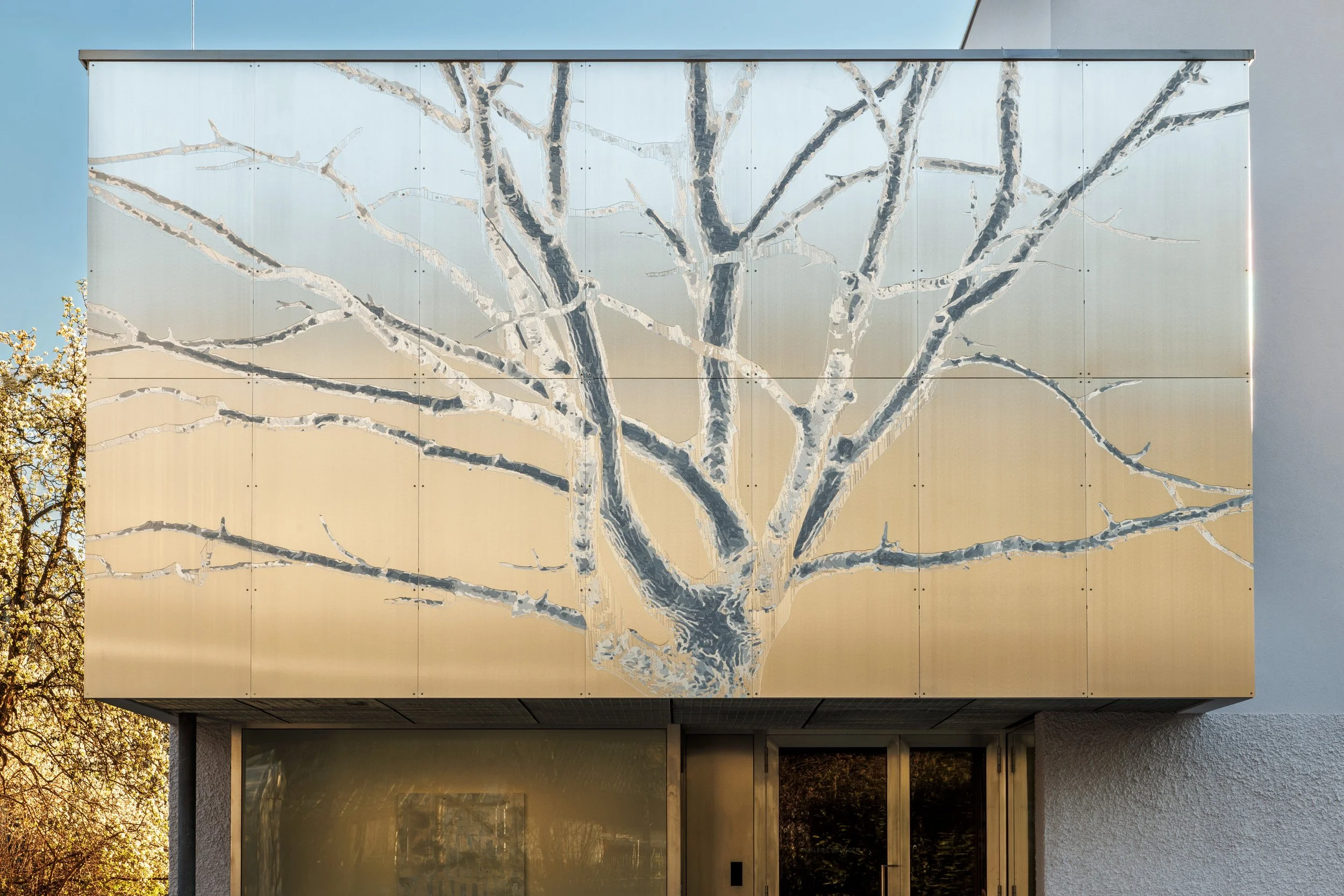
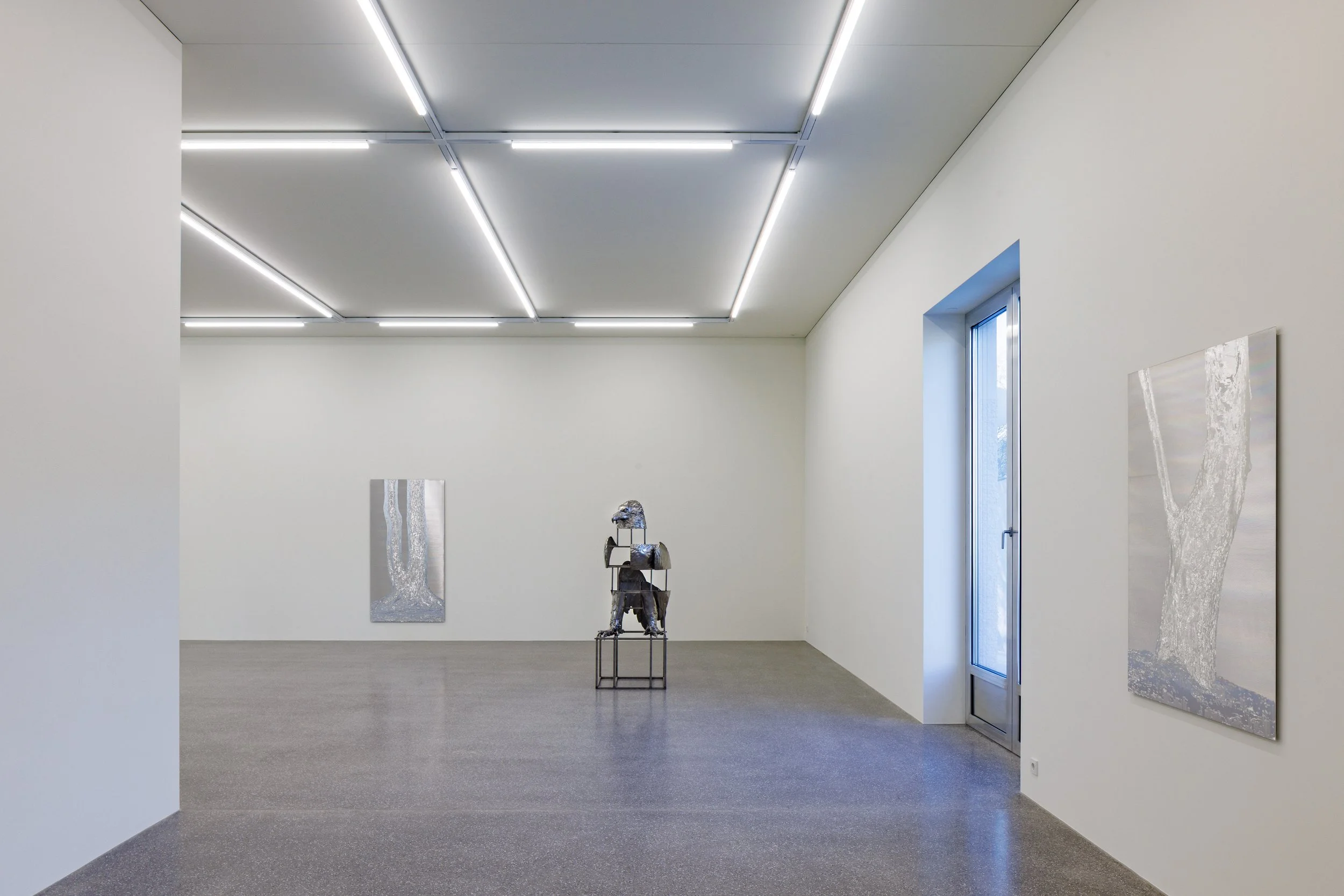
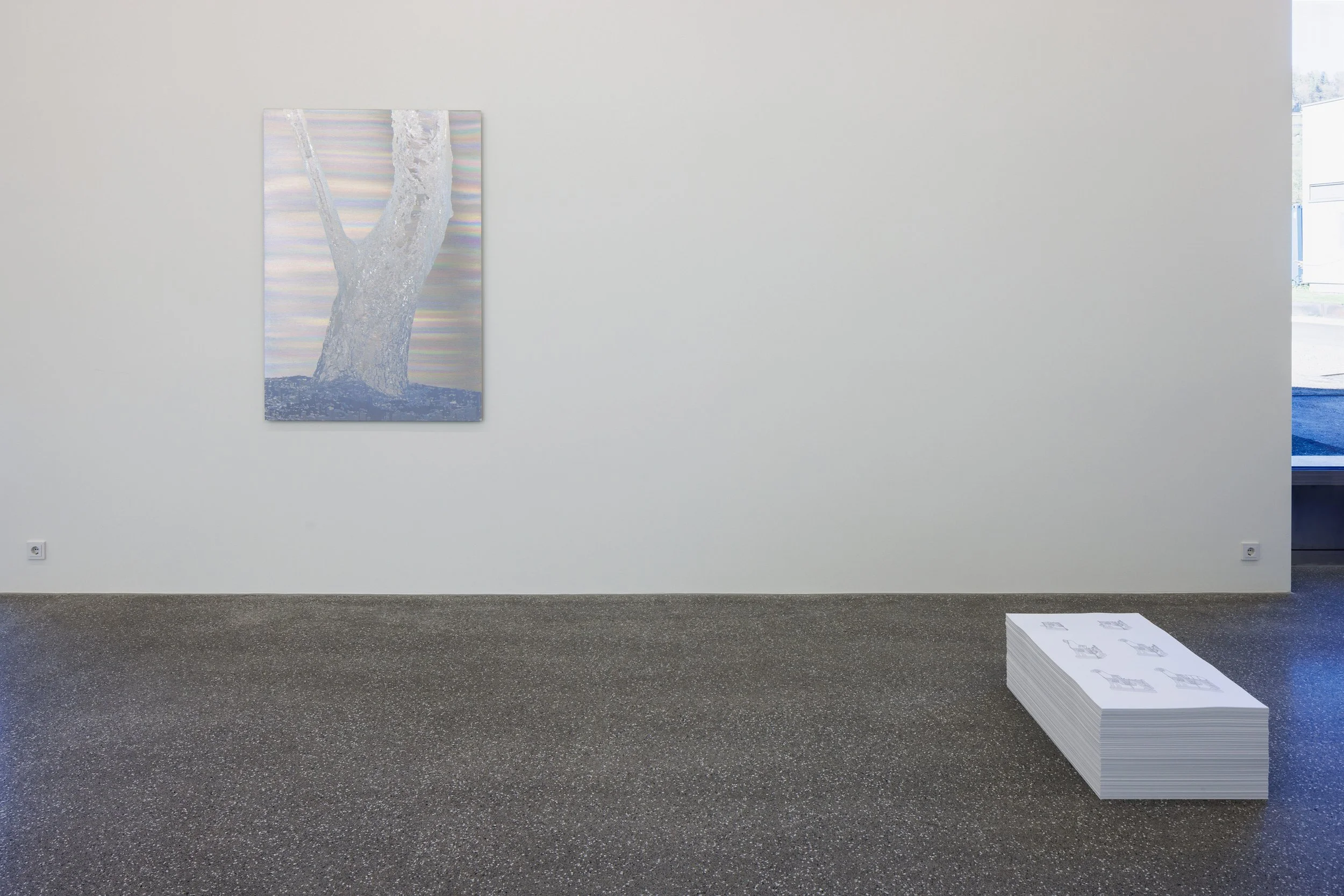
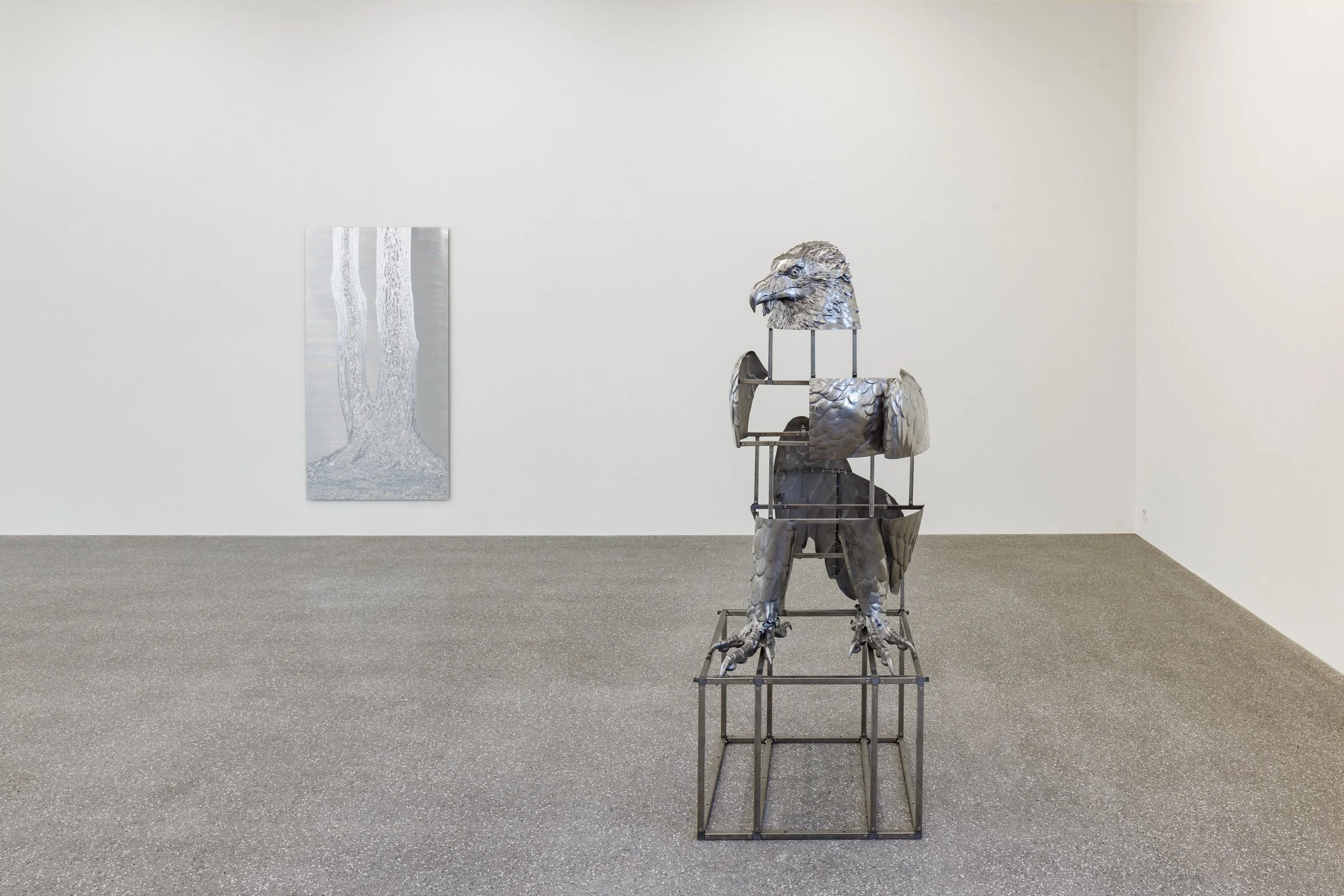
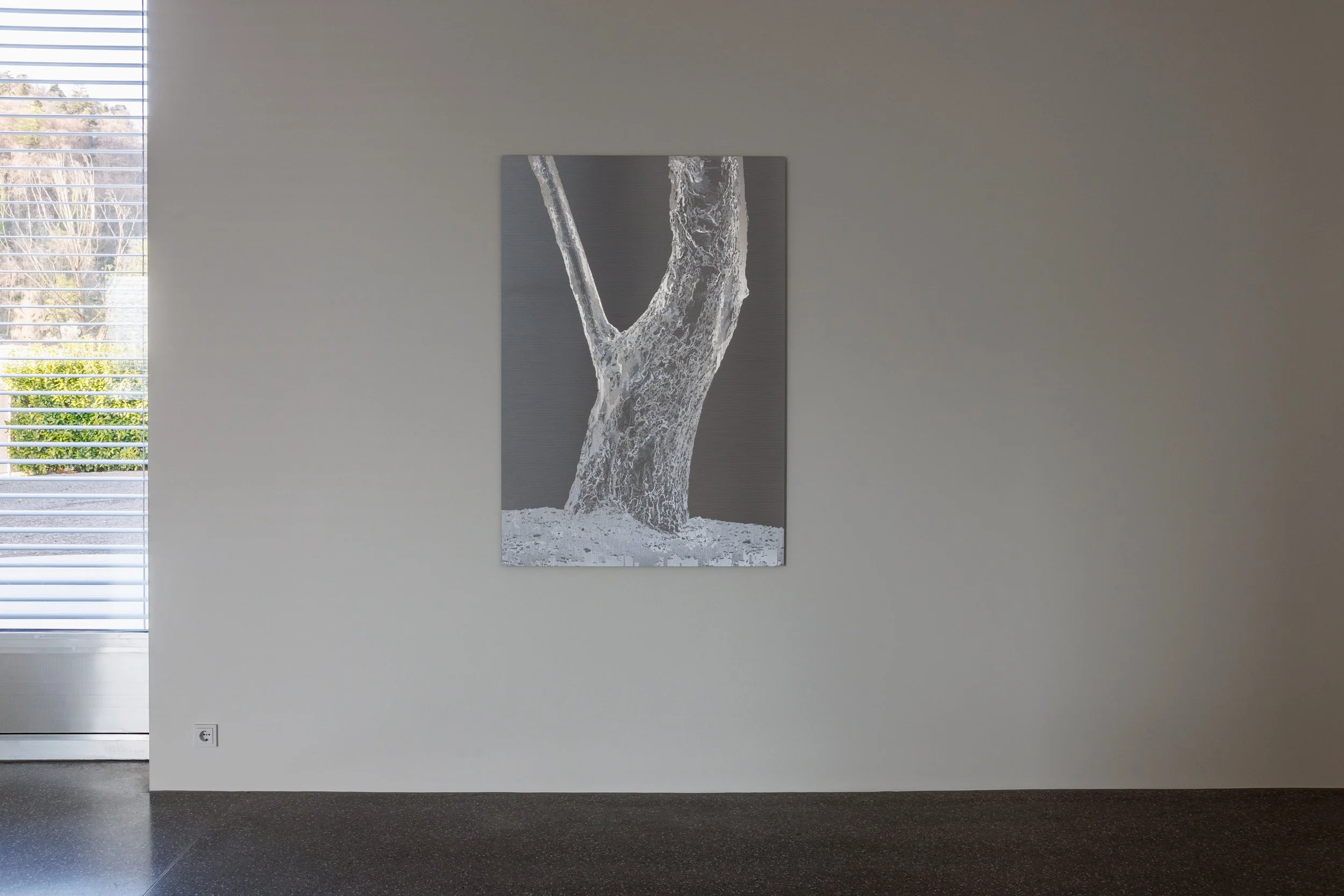
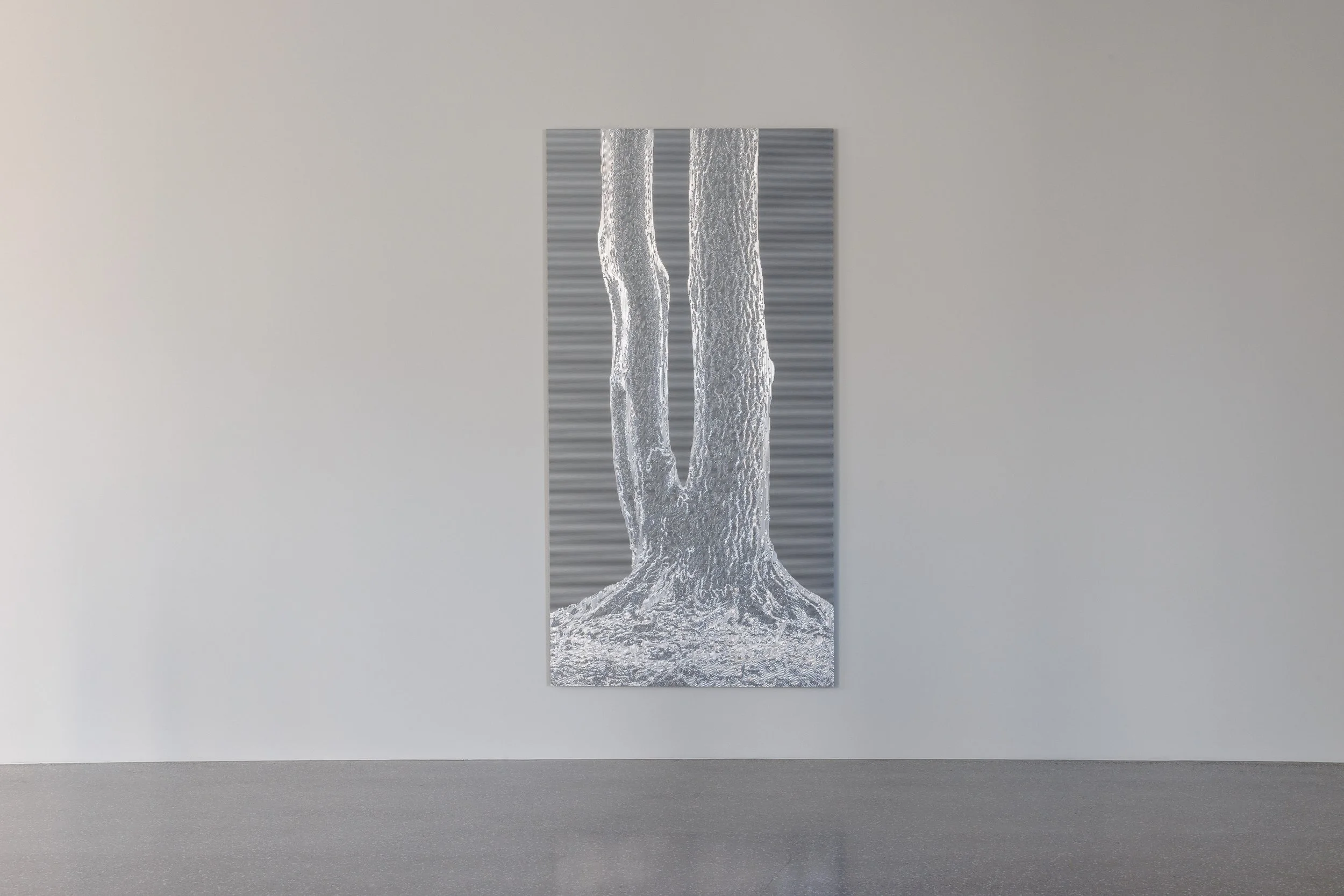
If you're going to make a tree, for instance, you have to copy a real tree. No one can "make up" a tree because every tree has an inherent logic in the way it branches. And I've discovered that no one can make up a rock. I found that out in Paths of Glory. We had to copy rocks, but every rock also has an inherent logic you're not aware of until you see a fake rock. Every detail looks right, but something's wrong.
Stanley Kubrick
1987
“American Cinematographer”
“’Common’ has a multitude of meanings” writes Peter Linebaugh, “common land, common rights, common people, common sense”. The common usually refers to an orientation toward life and value unbound by concepts and divisions of property, and points to the world both as a finite resource that is running out and an inexhaustible fund of human consciousness or creativity; At the same time, the proclamation of ‘the common’ its manifestic function, is always political and invested in counter-sovereignty, with performative aspirations to decolonize an actual and social space that has been inhabited by empire, capitalism, and land-right power.
Lauren Berlant
2022
“On the Inconvenience of Other People”
Under the label of parerga, Kant understands a feature ‘which is not internal to the entire representation of the object as a constituent (Bestandstück), but only belongs to it externally as an addendum’ – for instance, ‘the borders of paintings, draperies on statues, or colonnades around magnificent buildings.’ Parerga border or complete the work but are not an intrinsic part of it – they belong to the work while being subsidiary to it. In his classic response to this passage, Jacques Derrida takes issue with Kant’s distinction between essential elements and external complements, that is between the ‘inside’ (ergon) and the ‘outside’ or ‘subsidiary’ (parergon) of the thing perceived. Because of their structural reciprocity, he explains in The Truth in Painting, the essence of the former can only be communicated by means of the latter. Since parerga are essential to the presentation and perception of the erga, Derrida finds that it is ultimately impossible to decide where a parergon begins and where it ends. All the examples of parerga provided by Kant are features defined less by their exteriority to the work in itself than by their fundamental structural connection to it. This holds particularly true in the case of the columns, which cannot be considered as inessential surplus but are ‘most difficult to detach from the work’ (the ergon) and have (like the supports of sculptures) an ‘internal structural link’ to it.
Anna Anguissola
2018
“Supports in Roman Marble Sculpture”