


Cute Aggression
Lukas Thaler
17. July – 19. September 2026
At a certain point, cute came to dominate the visual language of contemporary culture. From baby-themed aesthetics and bunny ears to pastel-colored confectionery, children’s merchandise and domestic interiors, the past decades have witnessed an unapologetically bold wave of cuteness flooding consumer culture and, above all, the digital sphere. The visionary colour schemes of the early internet that once signified technological progress—blues, silvers and greens—gradually gave way to vivid yet harmless palettes of pink, yellow, lavender and pale green, sugar-coating the commodities they promote as small treats amid the increasingly harsh conditions of late capitalism. Cuteness became a veil, a strategy of seduction and a form of emotional relief, transforming objects into promises of happy regression.
The word cute is commonly traced back to acute, originally meaning sharp, clever or witty. Its contemporary meaning therefore marks a remarkable semantic shift: from intellectual acuity to emotional appeal, from sharpness to softness. The exhibition title, Cute Aggression, refers to the urge to pinch a baby’s cheeks, squeeze a plush toy or cuddle a hamster just a little too tightly. It describes the paradoxical impulse to express affection through gestures that verge on aggression, exposing the imbalance of power embedded within the logic of cuteness itself. To produce “cute” artworks is therefore to confront the conventional relationship between viewer and object on display.
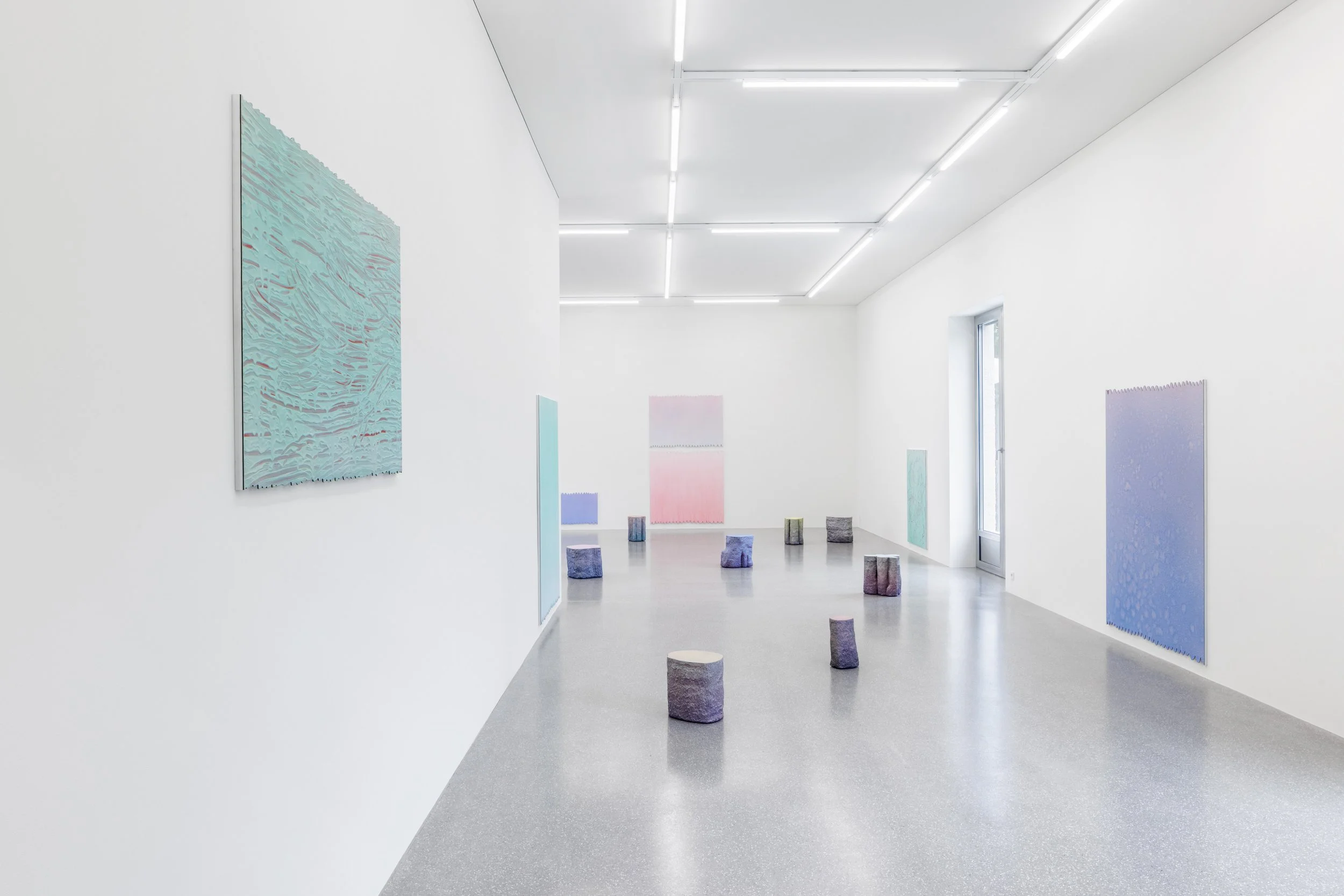
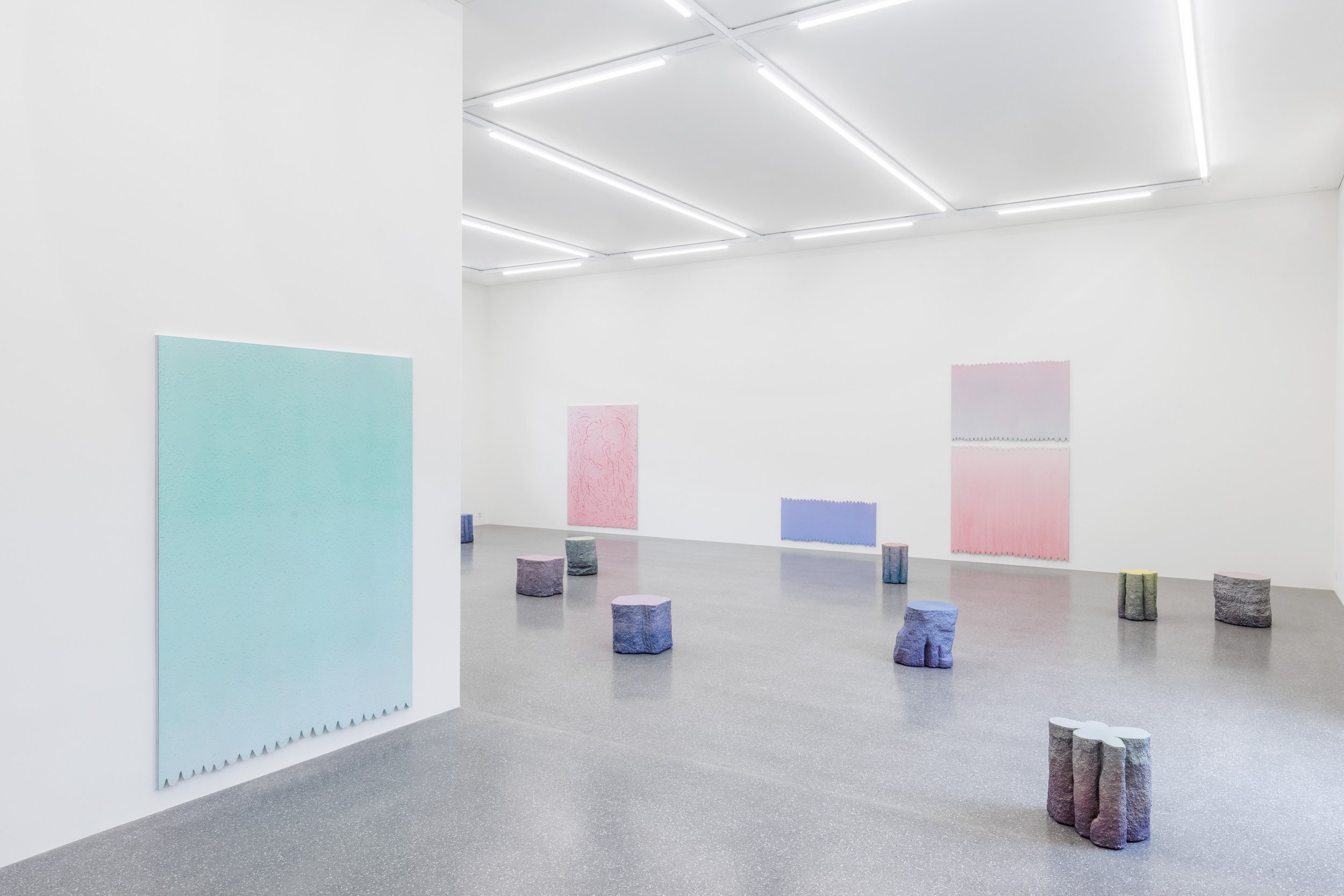
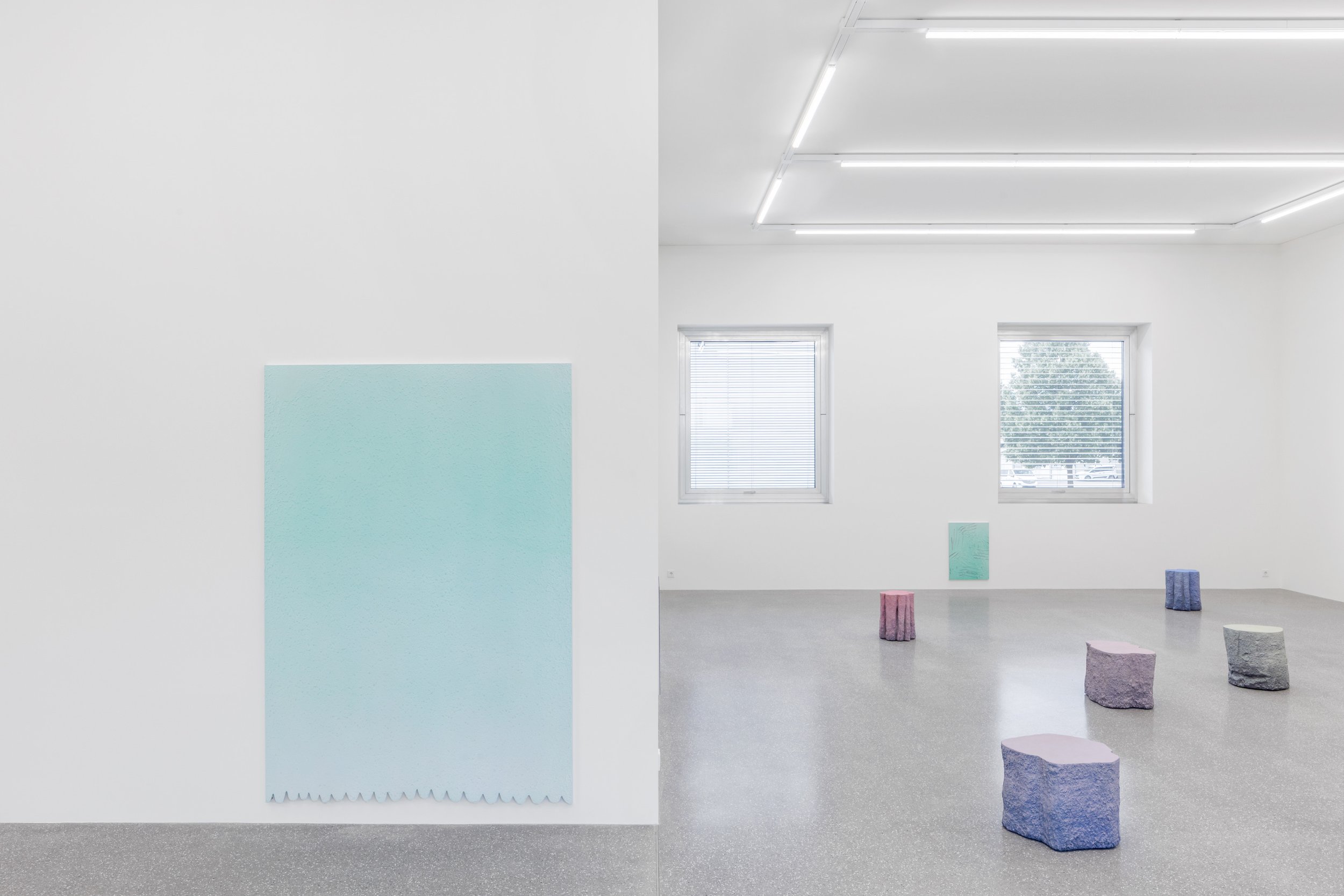
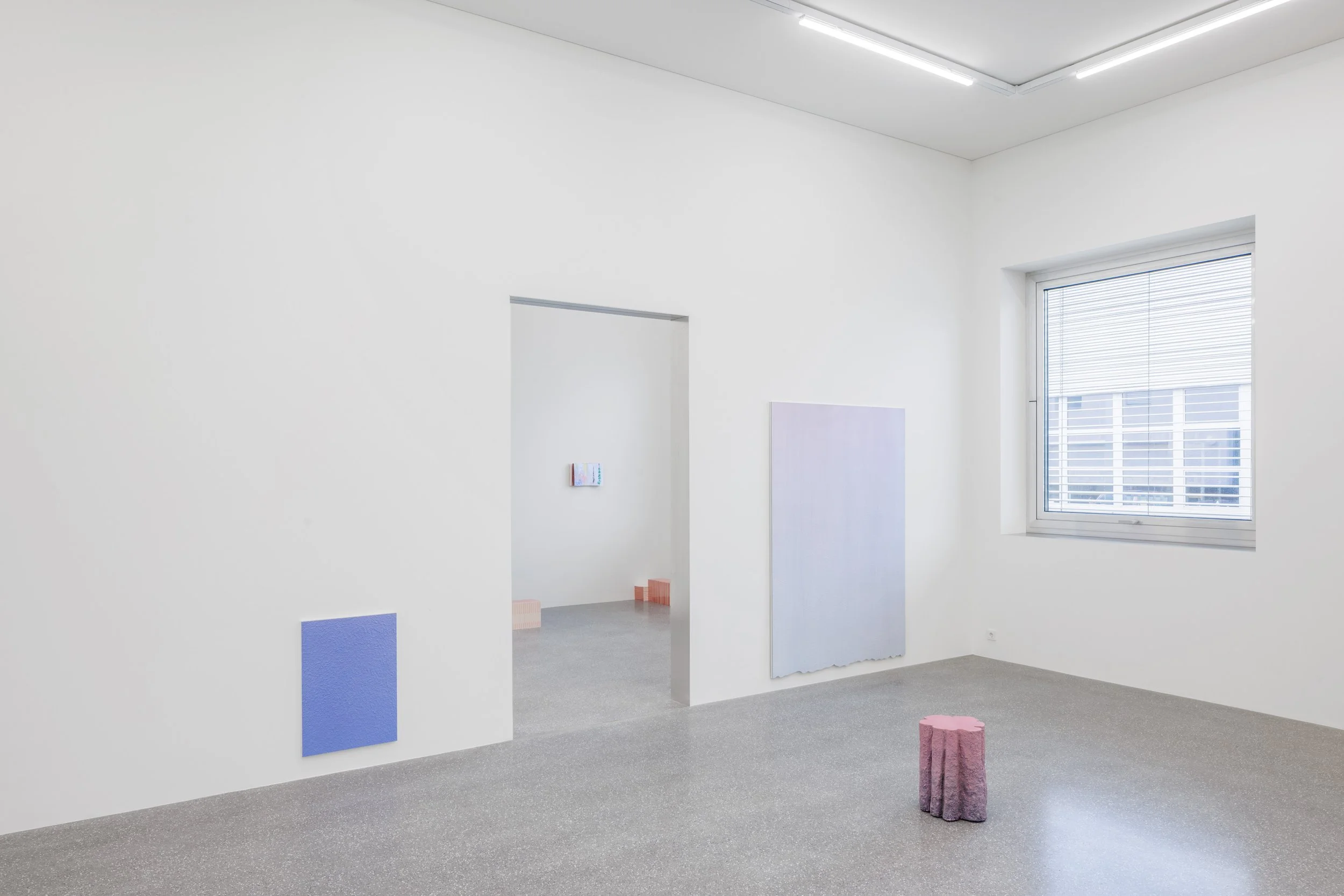
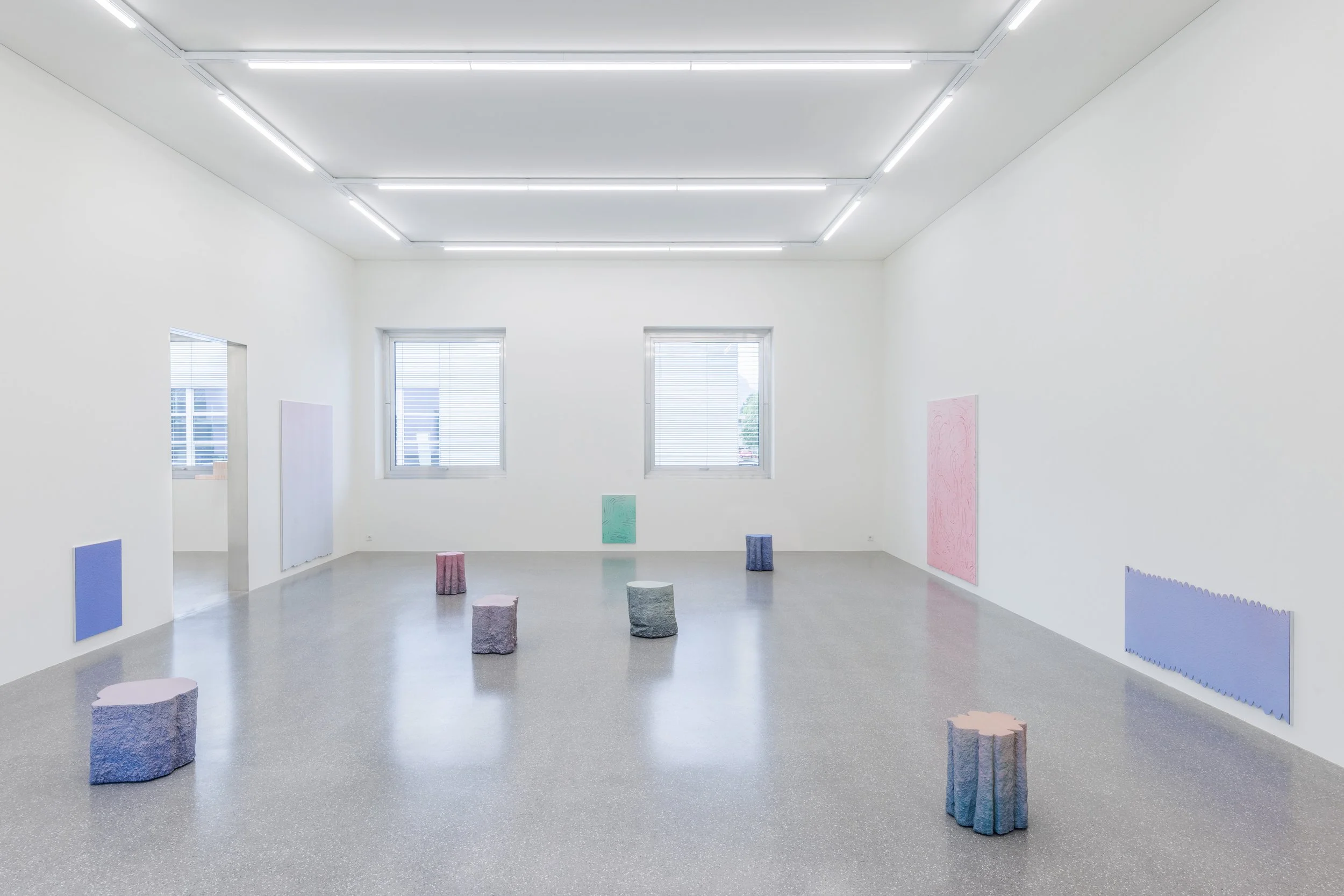
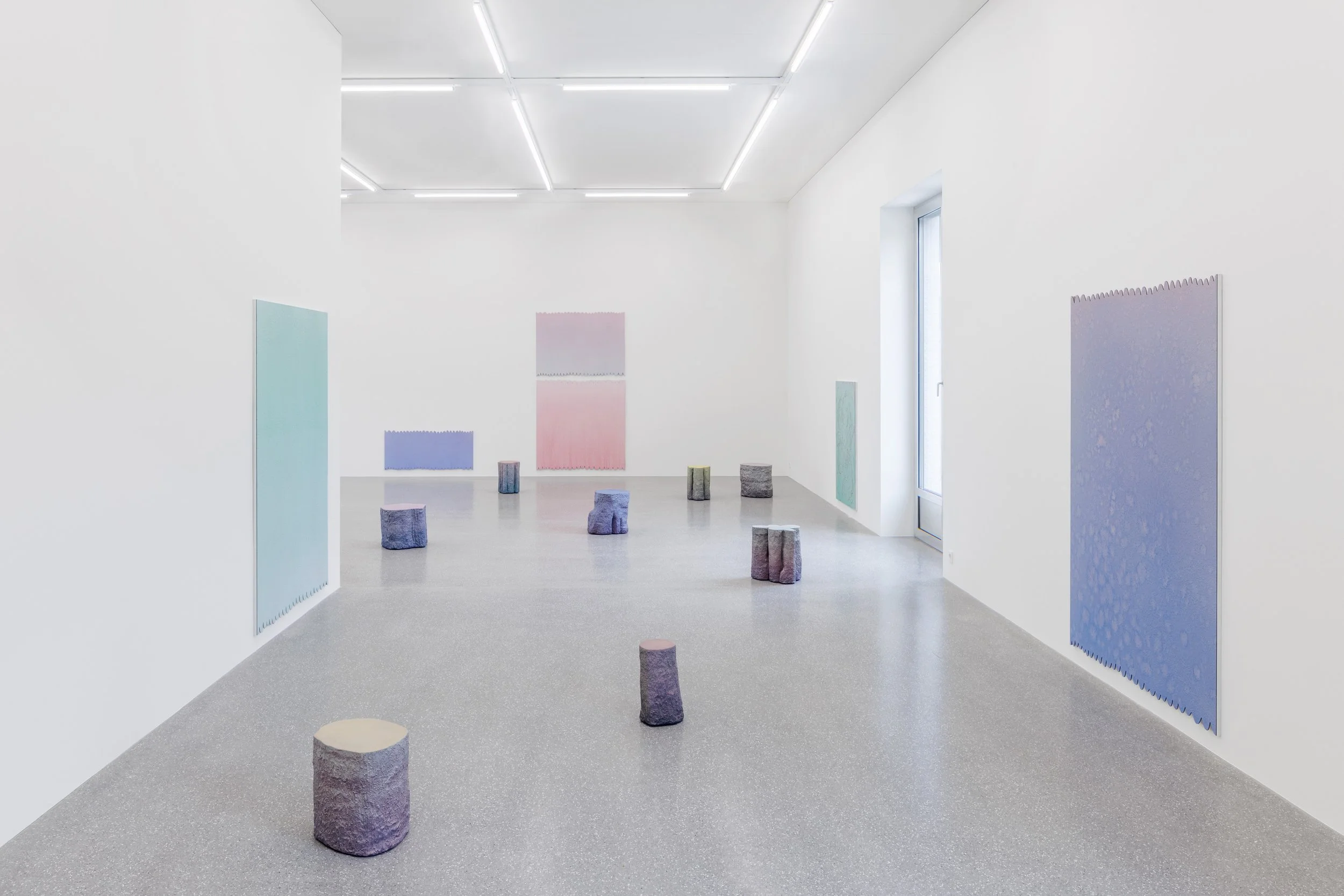
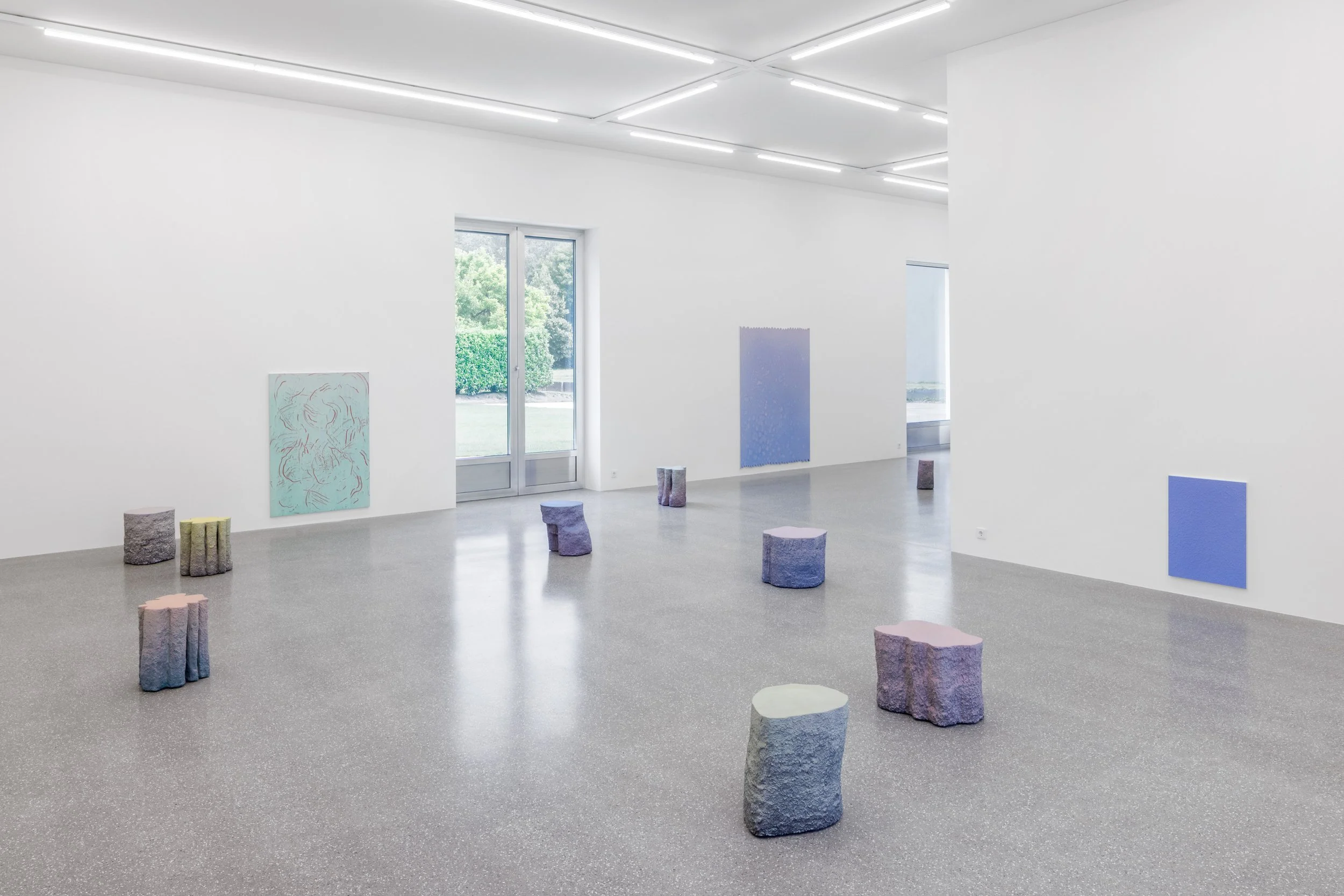
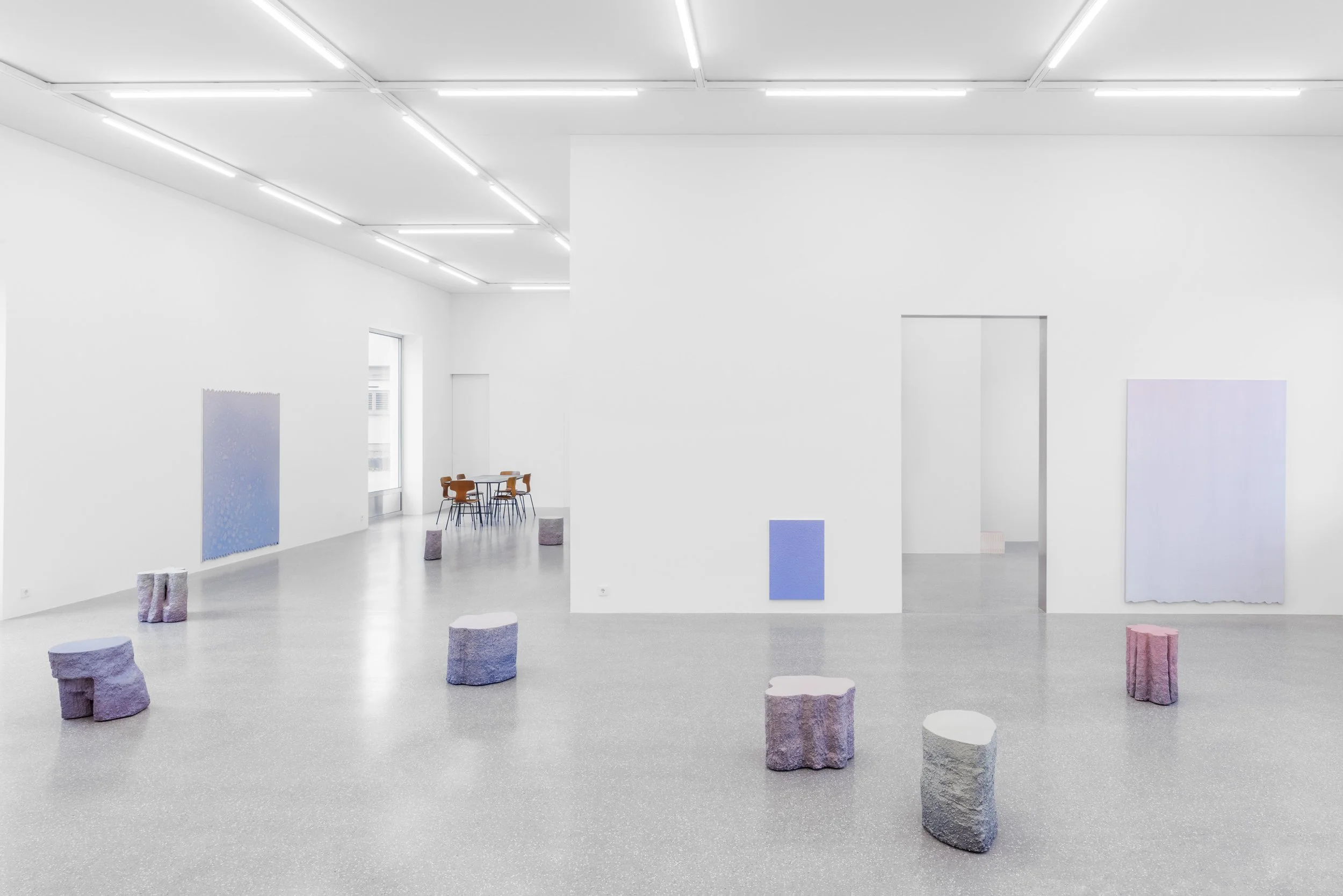
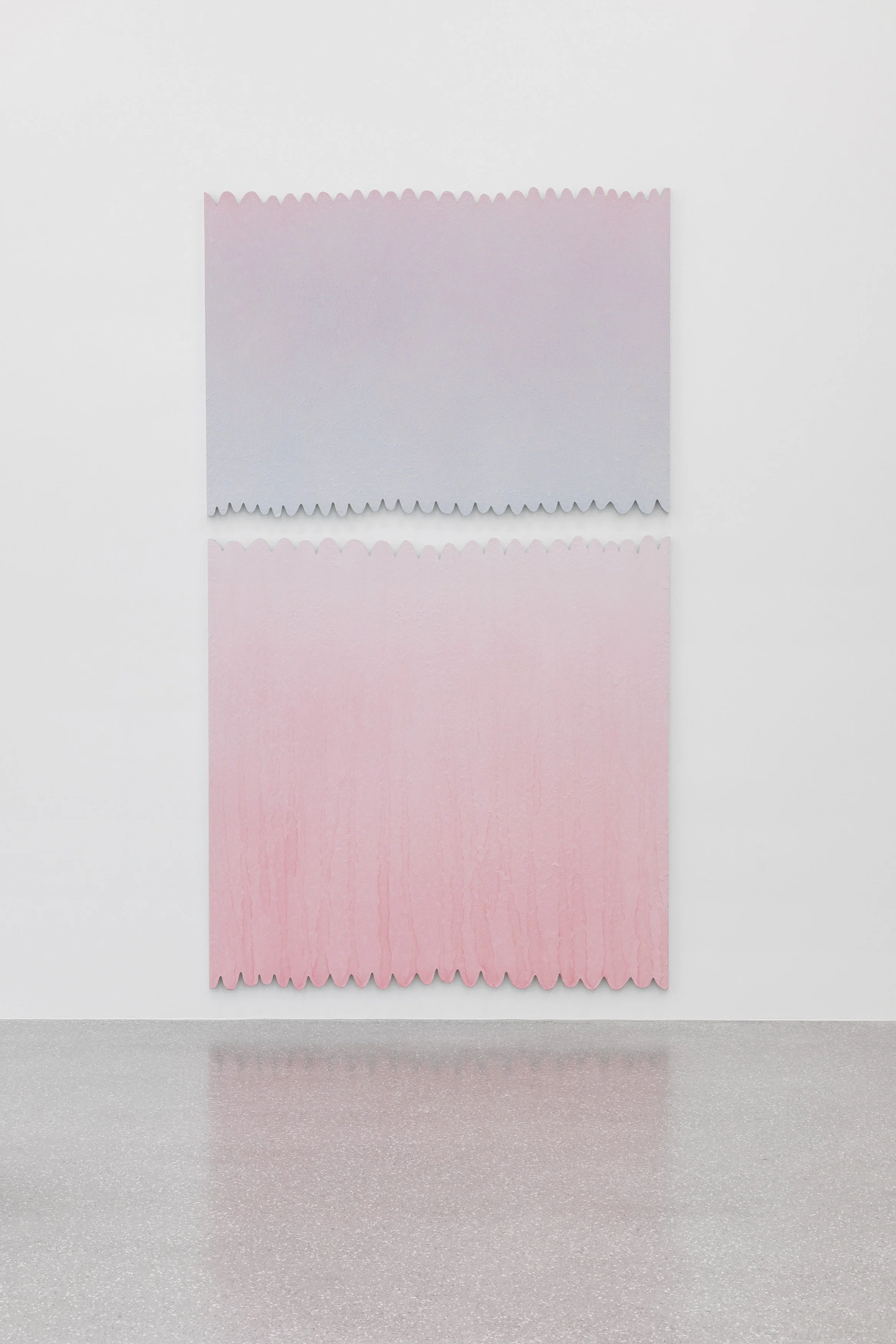
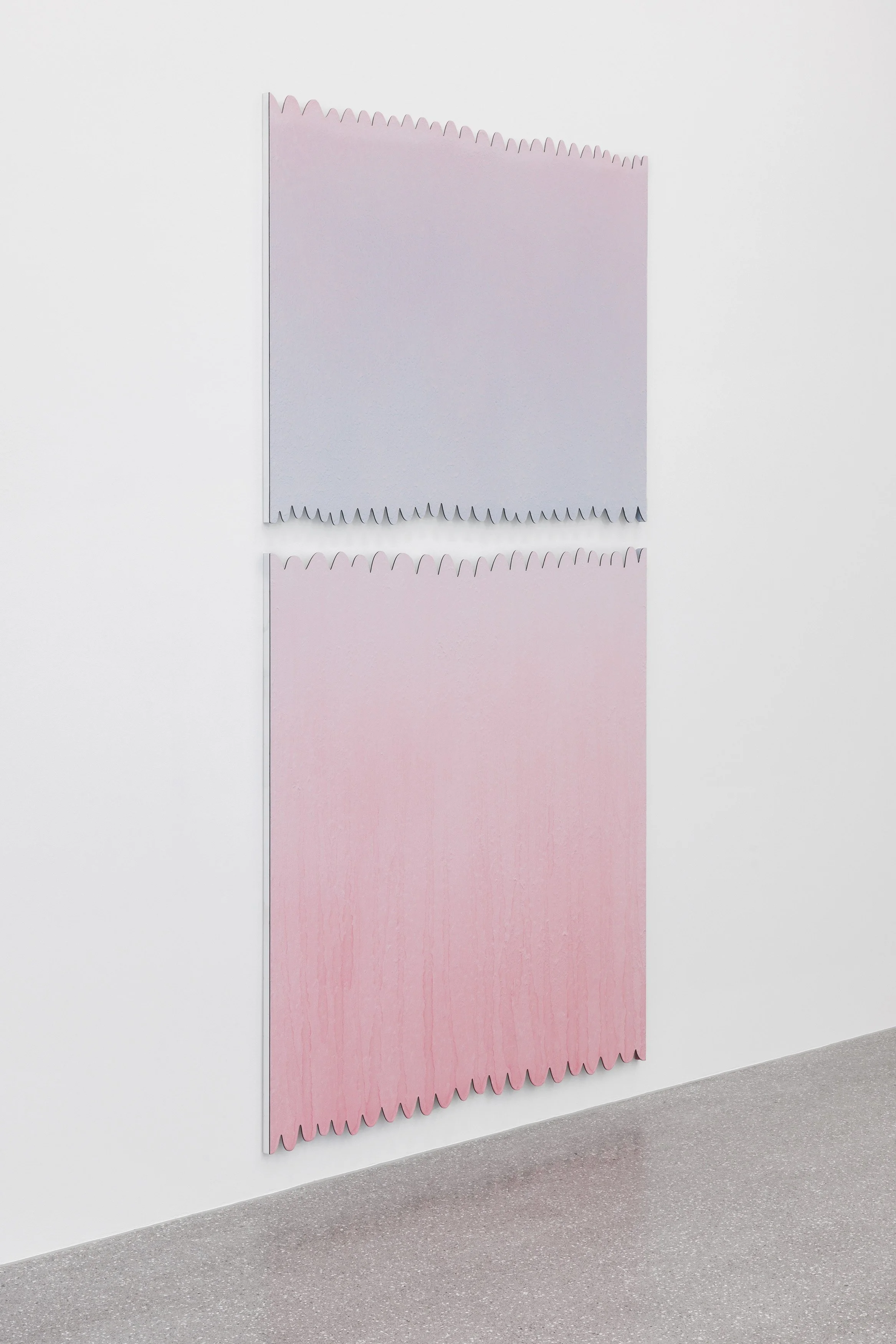
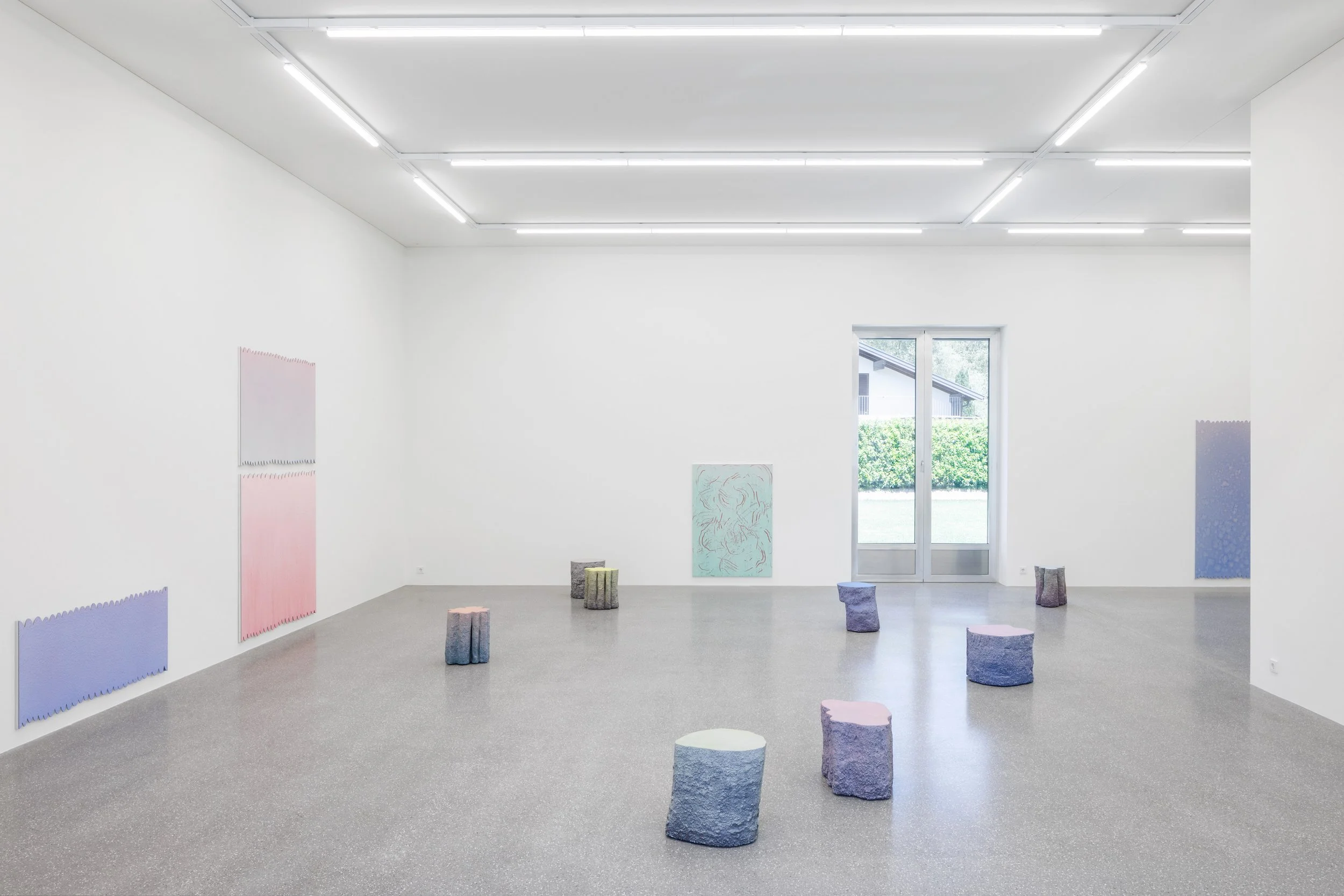
Where the traditional Western artwork has historically claimed a higher aesthetic or moral authority—positioning itself beyond the individual viewer and deriving meaning from ideals of universal beauty and symbolic value—the cute artwork operates differently. Rather than insisting on distance and reverence, it solicits intimacy and affective engagement. Every artwork asks its viewer to engage with it as though it possessed an agency or presence beyond its material existence. Cuteness does not conceal this mechanism; it amplifies it. The urge to interact with the artwork—particularly through touch, by sitting on it or handling it—already signals a shift in the relationship between object and viewer. Who would dare touch a painting? Such audacity seems almost unthinkable. Lukas Thaler deliberately plays with these conventions. His twelve sculptures, resembling occasional tree trunks, columns and stools, are intended to be sat on. Visitors are asked to overcome their learned respect for the artwork, performing what almost feels like a gesture of disrespect by treating these objects of desire as ordinary pieces of furniture rather than untouchable carriers of artistic value. The wall works continue this play of seduction. As he applies the dense material—a mixture of resin and marble sand—Thaler drags his fingers through its still-soft surface, leaving behind gestural traces. These gestures invite viewers to retrace the artist’s movements, creating an almost irresistible desire to touch the richly textured surface, which resists being identified as either painting or sculpture. This ambiguity is deliberate, opening up a reflection on the categories through which artworks are habitually understood.
The exhibition extends this strategy through its display. Together, the works construct a carefully staged environment in which the viewer becomes physically implicated. As one moves through the installation, examining surfaces and traces of production, one gradually becomes a prop within the exhibition itself. The logic of the display recalls the historical format of the diorama. Traditionally used in natural history and ethnographic museums, dioramas present life-sized figures, objects or animals within carefully constructed environments, often completed by painted backdrops that create the illusion of a coherent world. Thaler adopts this principle to stage the gallery itself. Looking through sculptural elements towards the wall works, the viewer becomes an involuntary protagonist within a life-sized diorama. Rather than simply showing paintings and sculptures, Cute Aggression constructs a spatial situation in which display, object and spectator become inseparable.
Exhibition Text by Anne Zühlke, 2026

Lukas Thaler 2026 Soluble subjects (touchy bright yellow) ink, acrylic, kaolin, chalk, marble powder, pigment on aluminium 71.5 x 50 x 2 cm
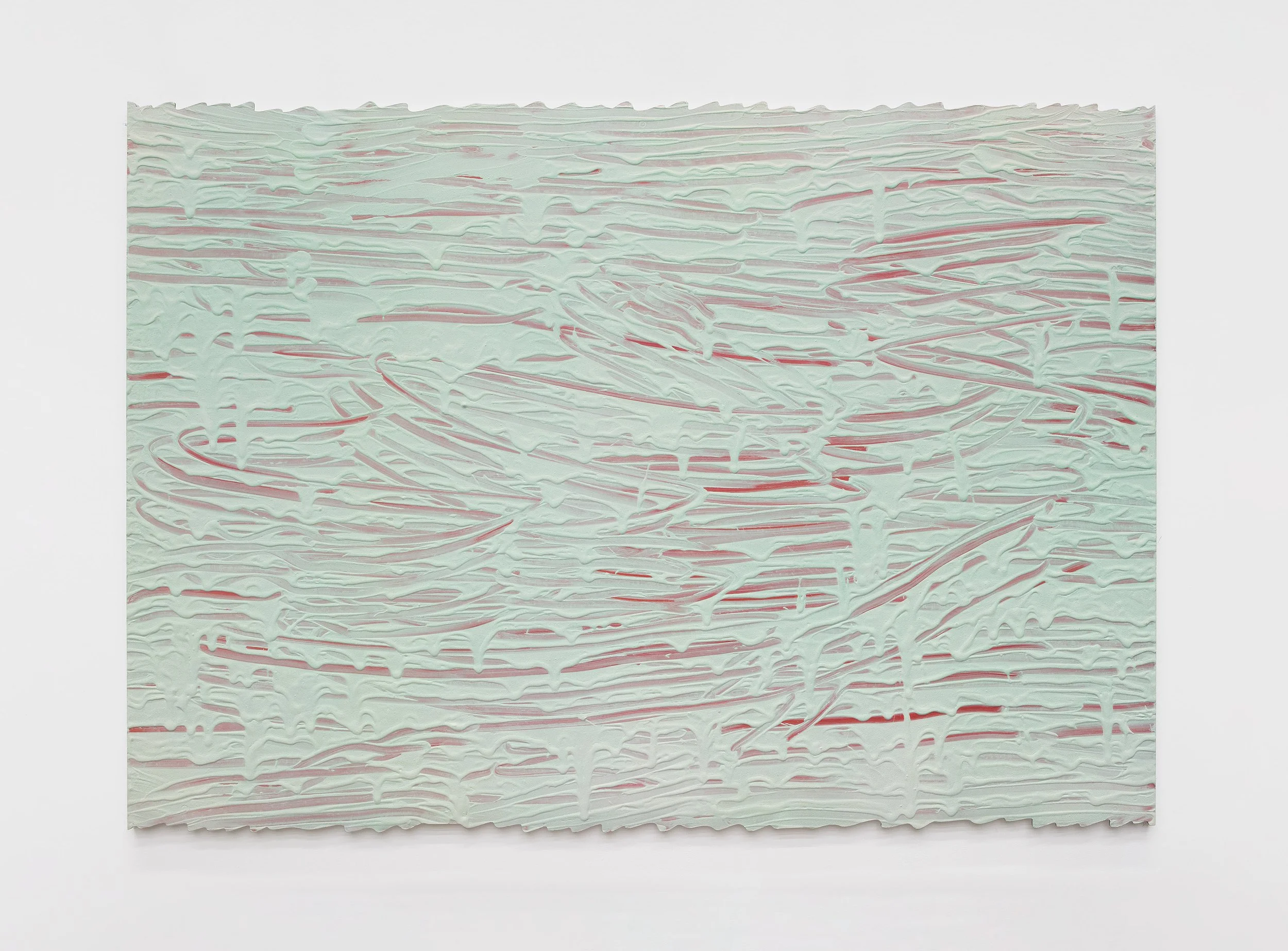
Lukas Thaler 2026 Soluble subjects (double-cut horizontal touchy green) ink, acrylic, kaolin, chalk, marble powder, pigment on aluminium 99 x 141 x 2 cm

Lukas Thaler 2026 Lag (occasional base) Acrylic Resin, marble sand, fiberglass, honeycomb cardboard, wood, acrylic ink, polyurethane varnish 37 x 29 x 36 cm
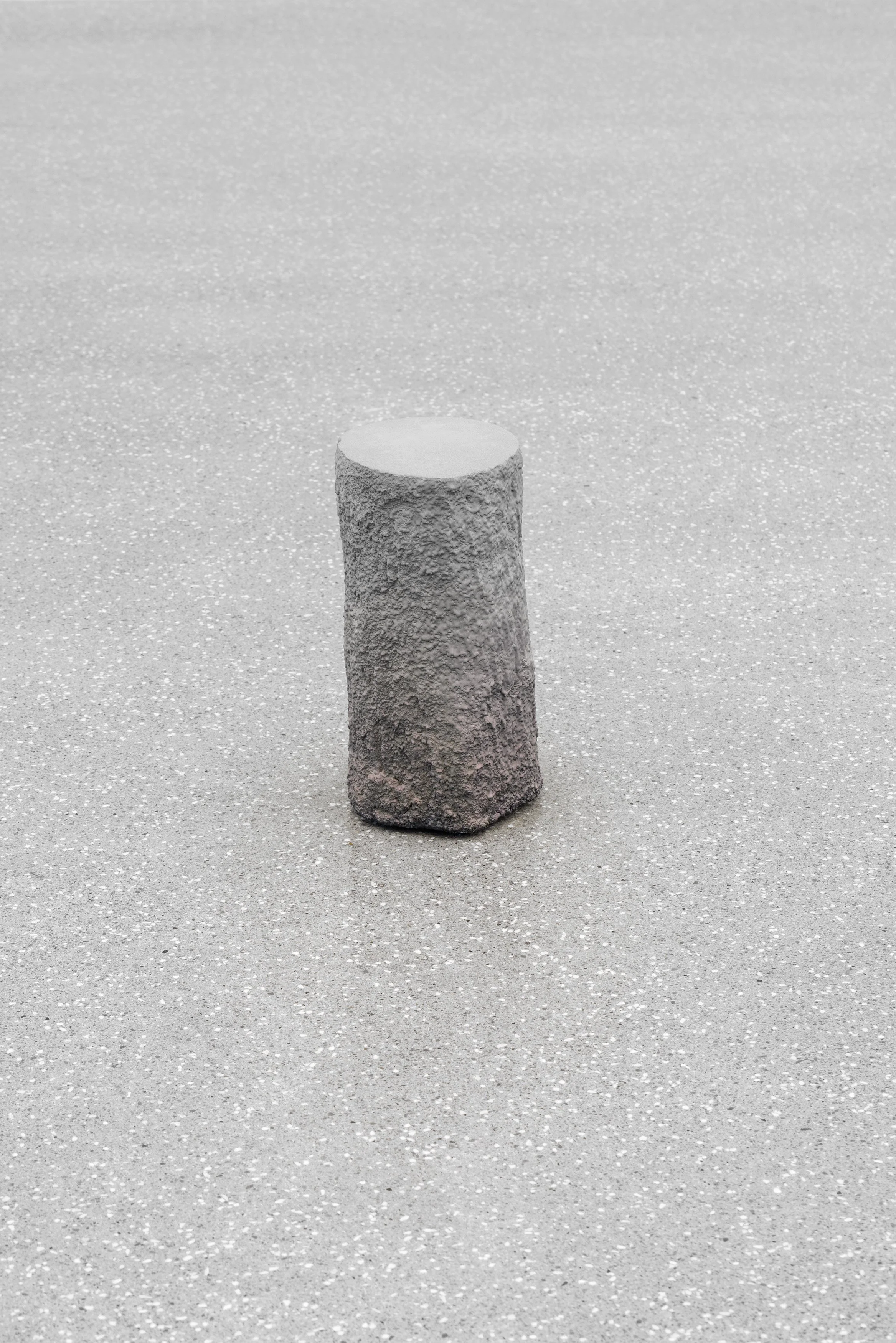
Lukas Thaler 2026 Lag (occasional thigh) Acrylic Resin, marble sand, fiberglass, honeycomb cardboard, wood, acrylic ink, polyurethane varnish 36 x 18 x 18 cm
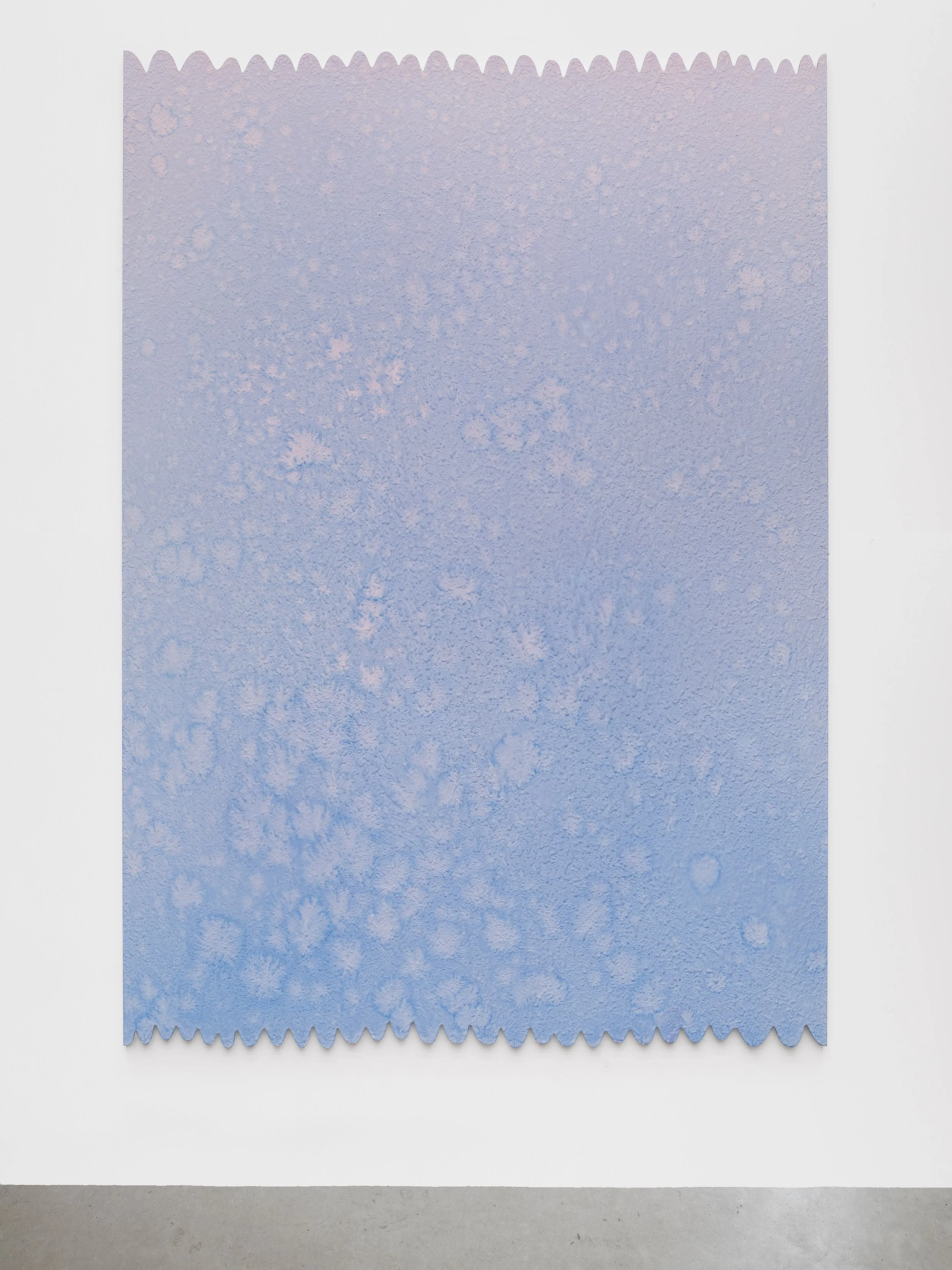
Lukas Thaler 2026 Soluble subjects (double-cut soaked blue and red) ink, acrylic, kaolin, chalk, marble powder, pigment on aluminium 200 x 141 x 2 cm
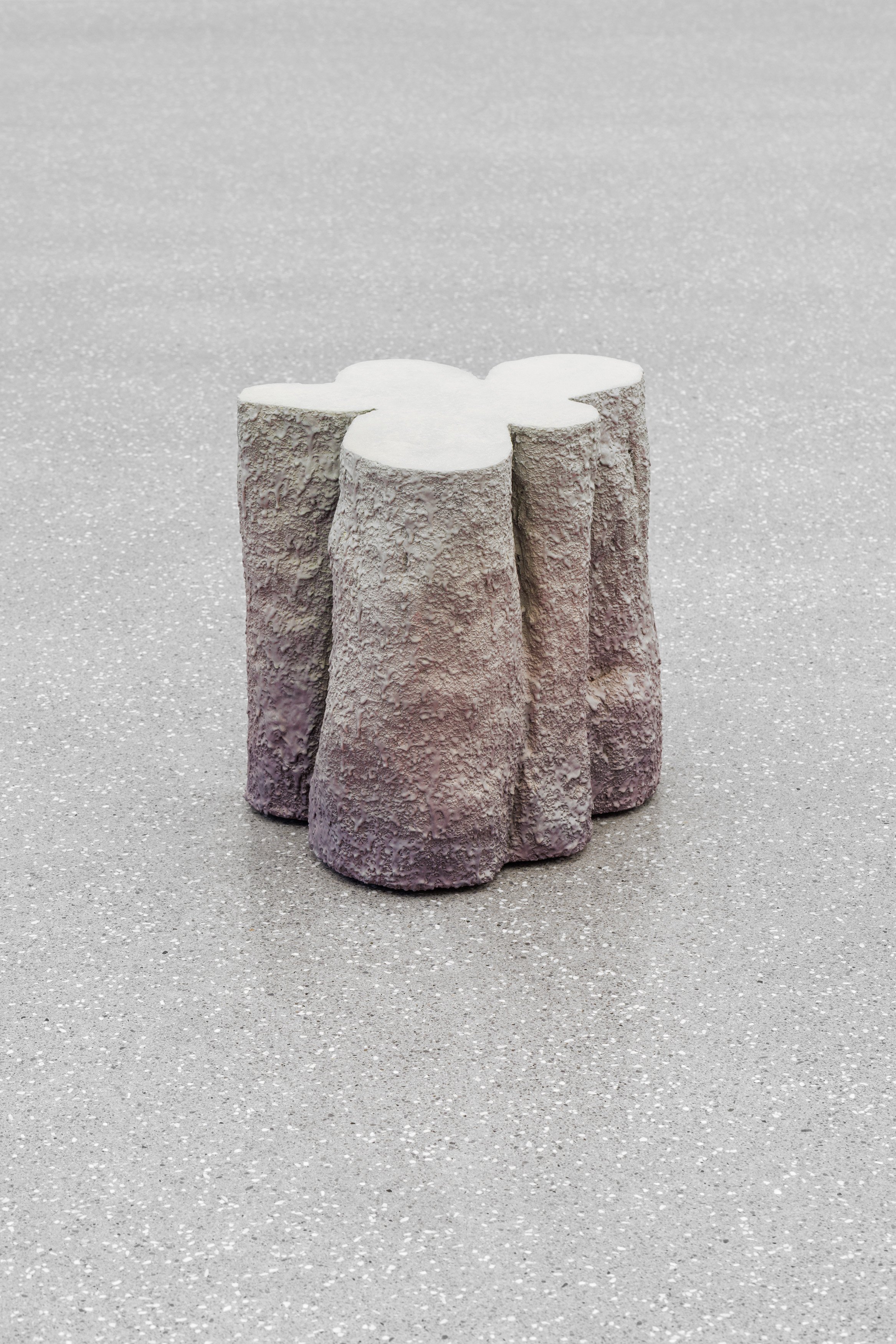
Lukas Thaler 2026 Lag (occasional side table) Acrylic Resin, marble sand, fiberglass, honeycomb cardboard, wood, acrylic ink, polyurethane varnish 42 x 35 x 40 cm
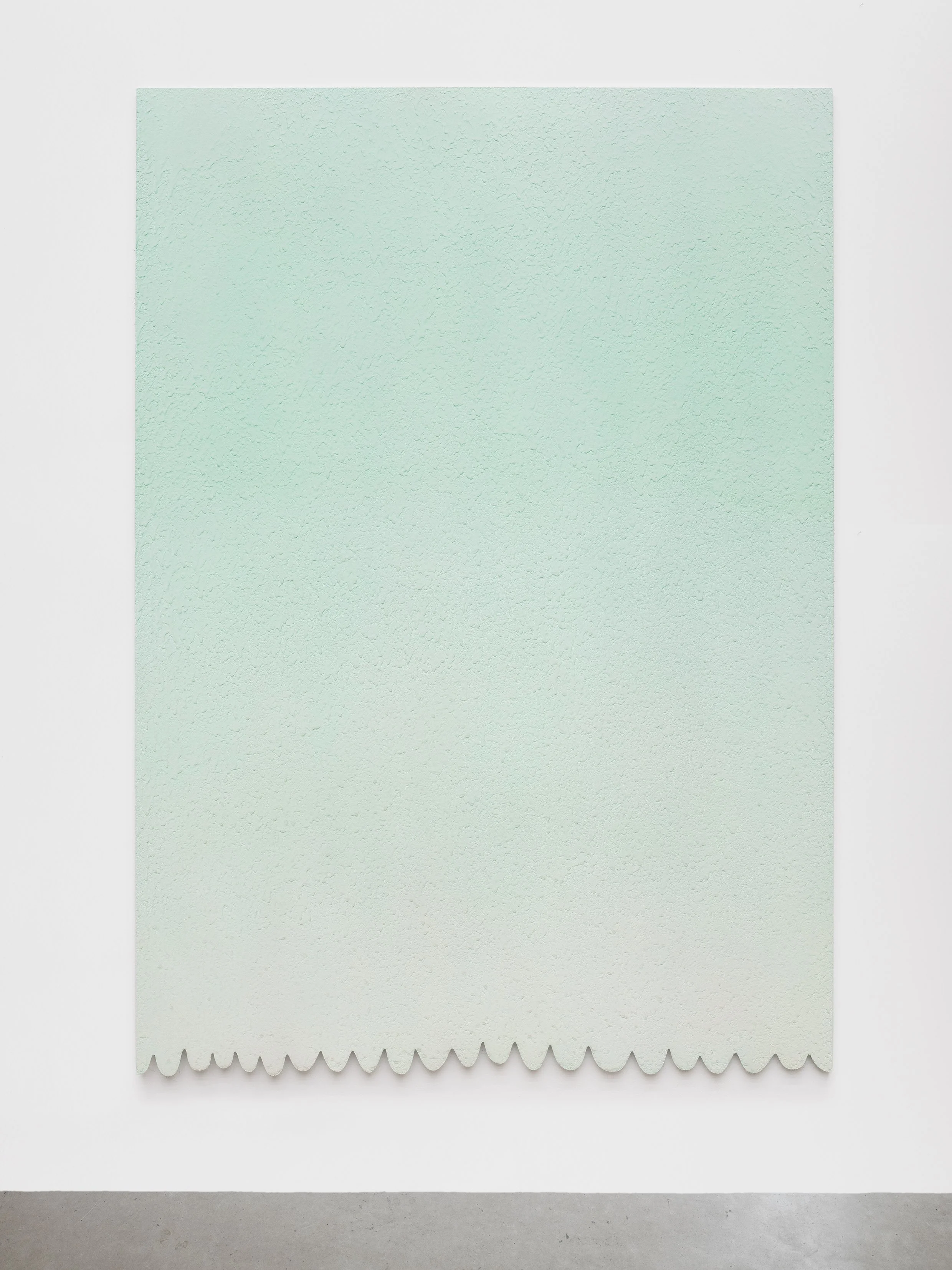
Lukas Thaler 2026 Soluble subjects (cut trickle washed green) ink, acrylic, kaolin, chalk, marble powder, pigment on aluminium 200 x 141 x 2 cm
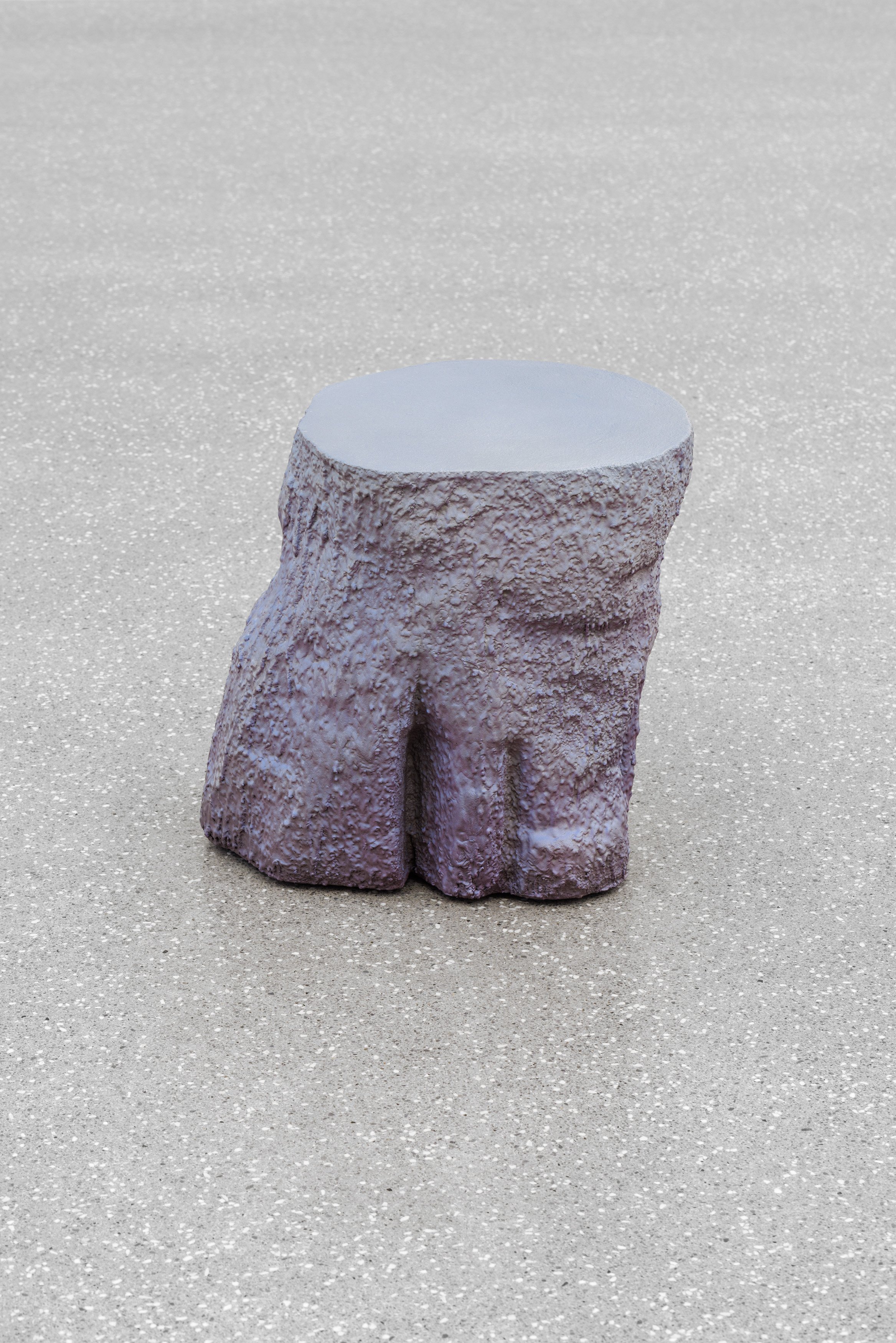
Lukas Thaler 2026 Lag (occasional sidekick) Acrylic Resin, marble sand, fiberglass, honeycomb cardboard, wood, acrylic ink, polyurethane varnish 42 x 36 x 42 cm
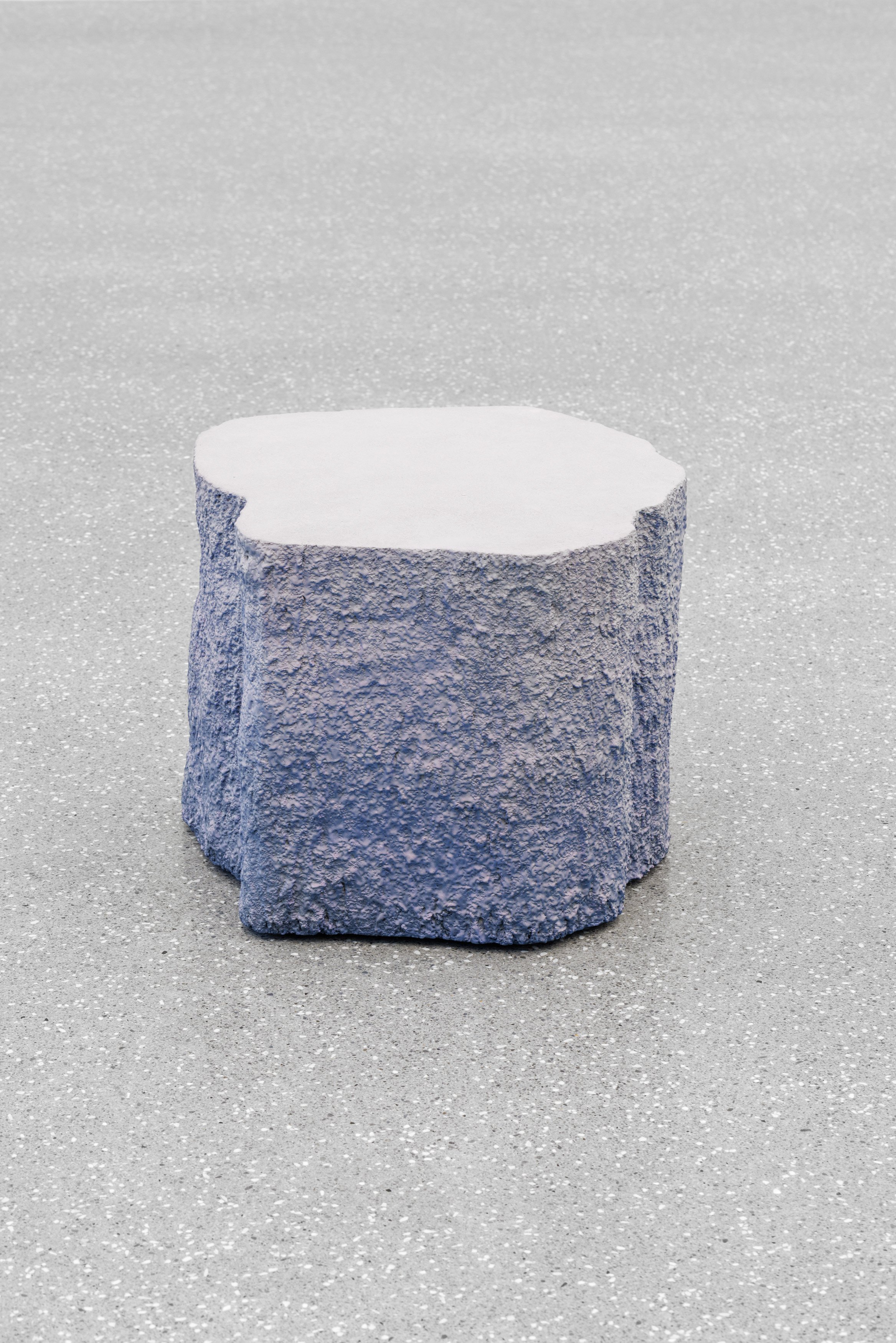
Lukas Thaler 2026 Lag (occasional base) Acrylic Resin, marble sand, fiberglass, honeycomb cardboard, wood, acrylic ink, polyurethane varnish 37 x 46 x 48 cm
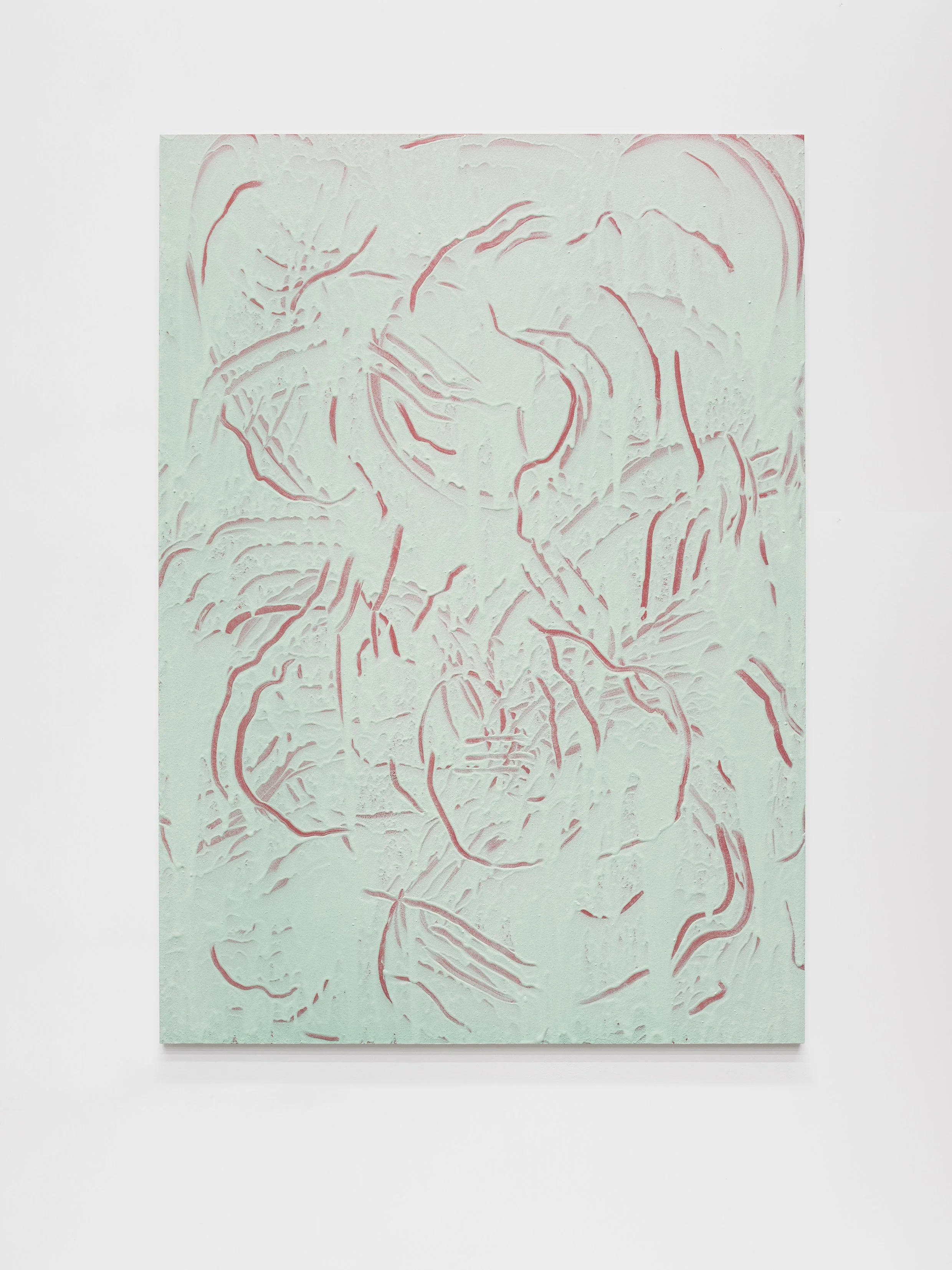
Lukas Thaler 2026 Soluble subjects (touchy and leaky green) ink, acrylic, kaolin, chalk, marble powder, pigment on aluminium 100 x 141 x 2 cm

Lukas Thaler 2026 Lag (occasional base) Acrylic Resin, marble sand, fiberglass, honeycomb cardboard, wood, acrylic ink, polyurethane varnish 42 x 37 x 42 cm
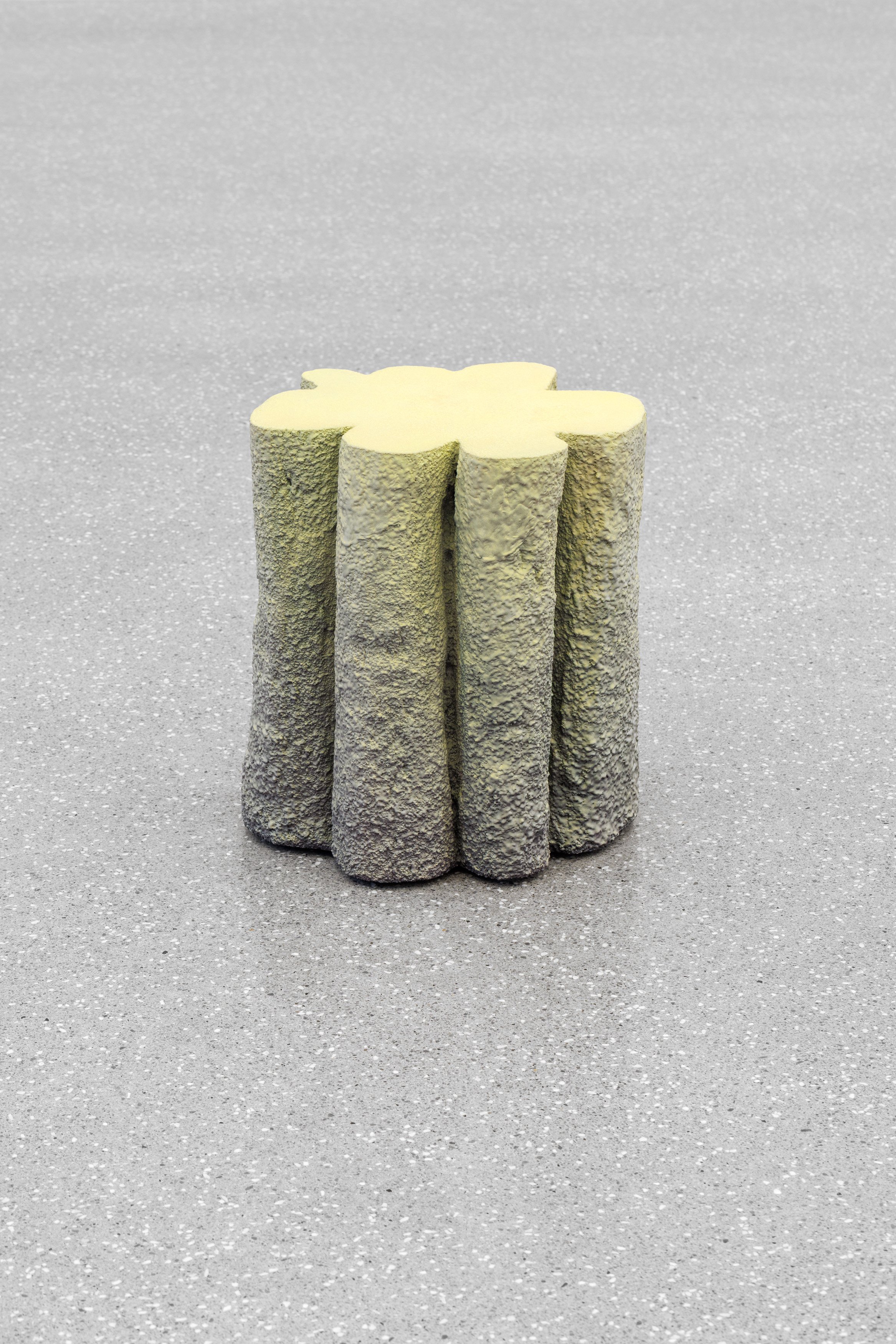
Lukas Thaler 2026 Lag (occasional side table) Acrylic Resin, marble sand, fiberglass, honeycomb cardboard, wood, acrylic ink, polyurethane varnish 42 x 37 x 30 cm
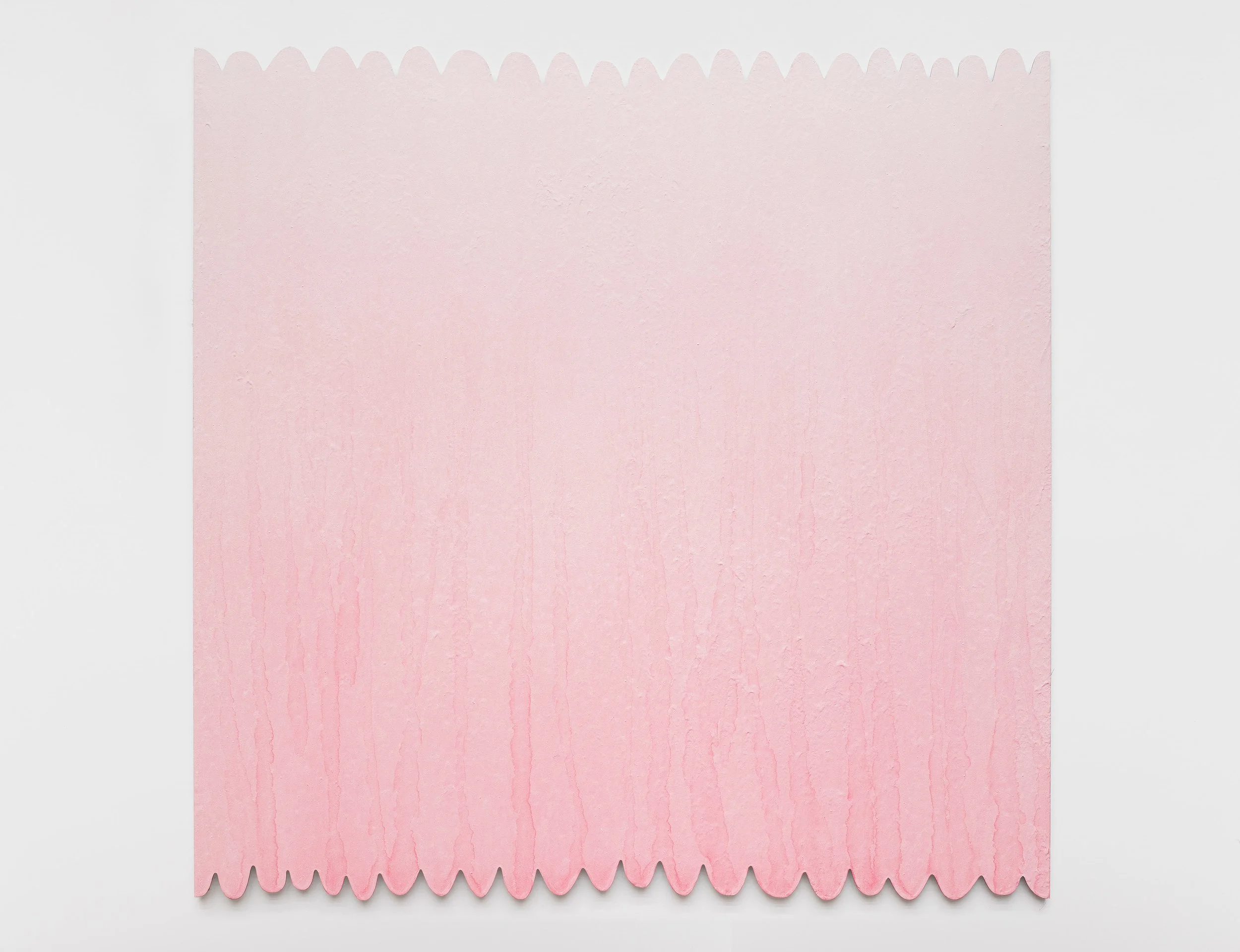
Lukas Thaler 2026 Soluble subjects (double-cut leaky red) ink, acrylic, kaolin, chalk, marble powder, pigment on aluminium 141 x 141 x 2 cm
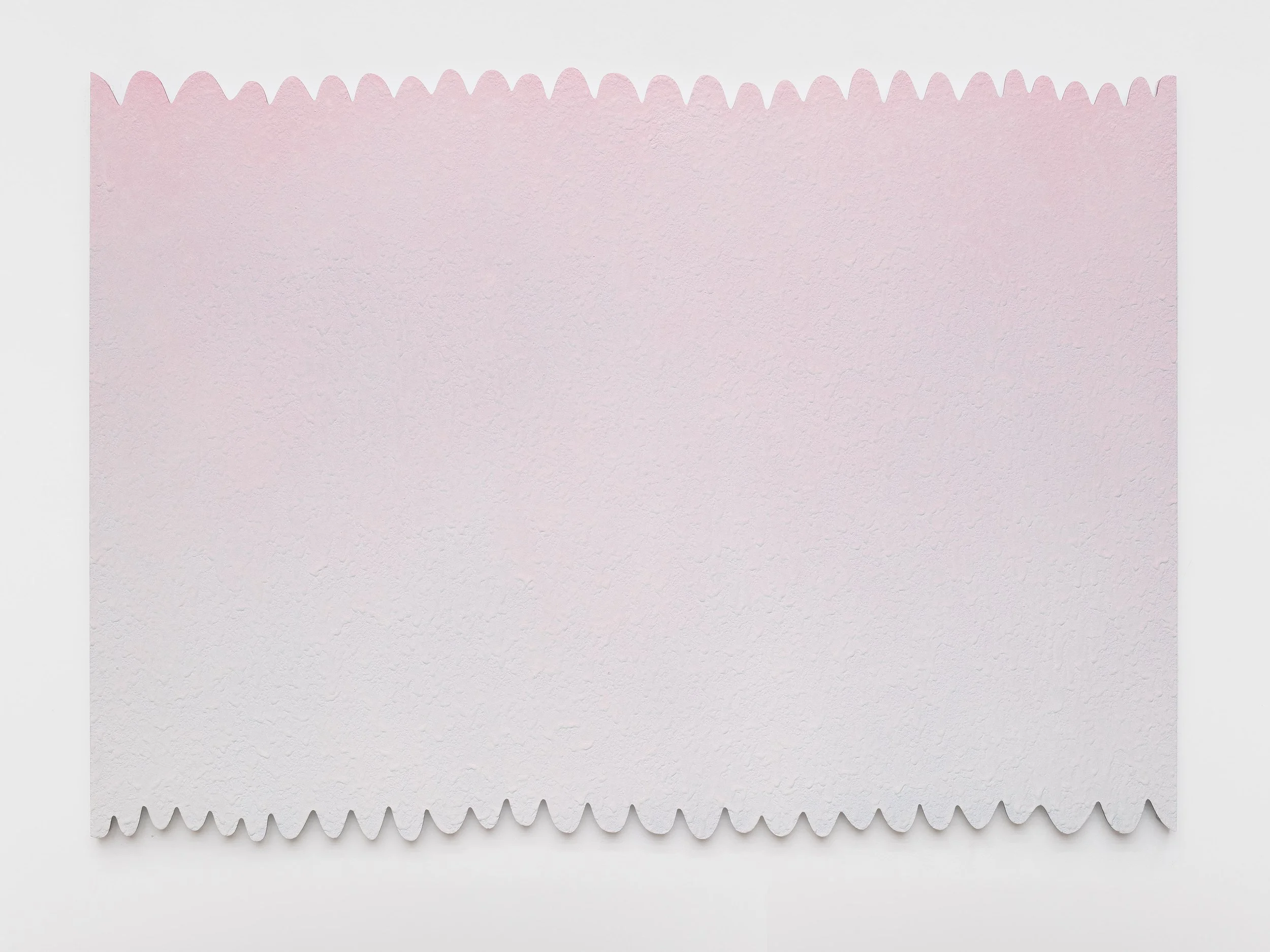
Lukas Thaler 2026 Soluble subjects (double-cut grey and red) ink, acrylic, kaolin, chalk, marble powder, pigment on aluminium 99 x 141 x 2 cm

Lukas Thaler 2026 Lag (occasional side table) Acrylic Resin, marble sand, fiberglass, honeycomb cardboard, wood, acrylic ink, polyurethane varnish 42 x 28 x 33 cm

Lukas Thaler 2026 Soluble subjects (double-cut trickle blue and red) ink, acrylic, kaolin, chalk, marble powder, pigment on aluminium 61 x 141 x 2 cm

Lukas Thaler 2026 Soluble subjects (cut touchy red) ink, acrylic, kaolin, chalk, marble powder, pigment on aluminium 200 x 141 x 2 cm
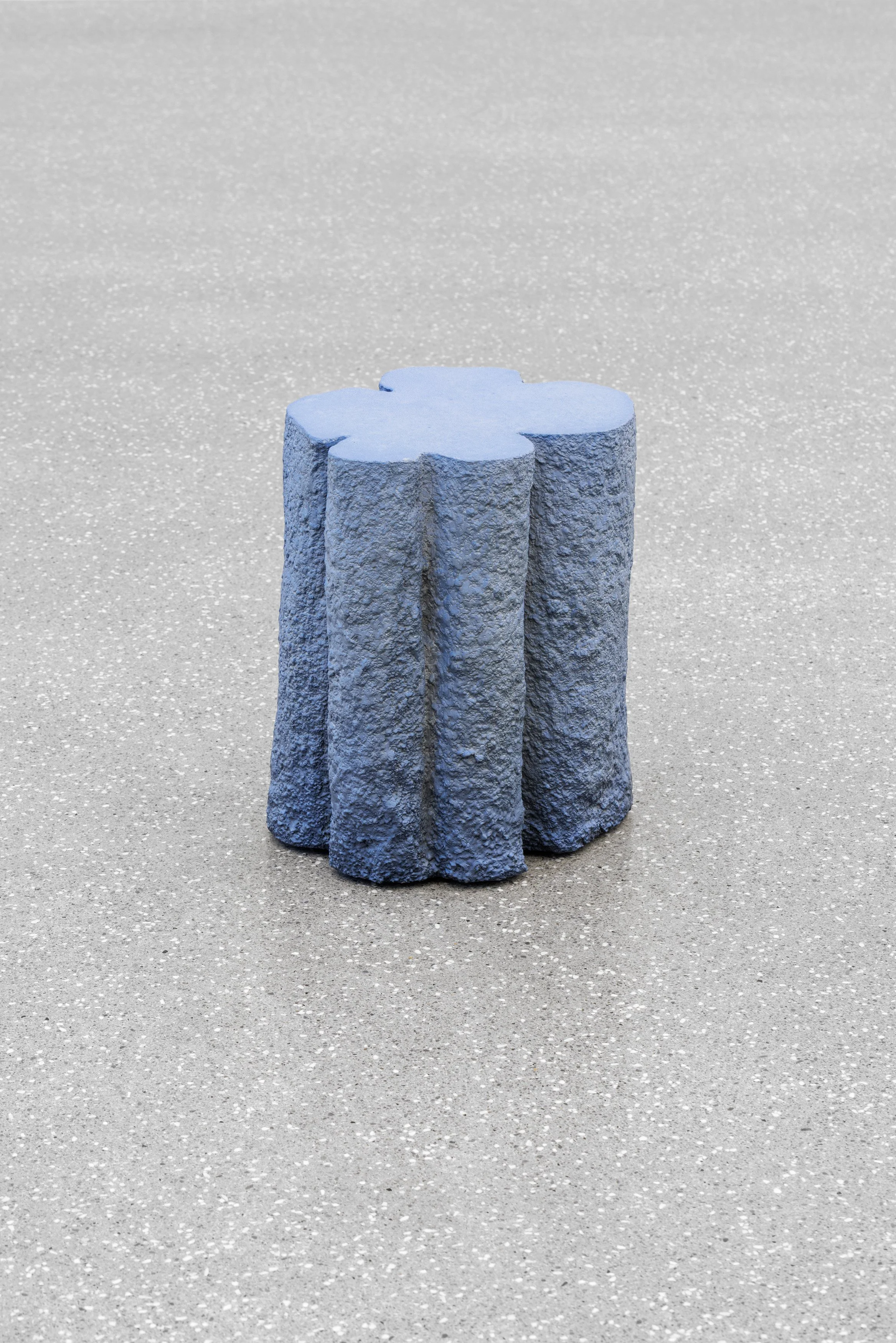
Lukas Thaler 2026 Lag (occasional side table) Acrylic Resin, marble sand, fiberglass, honeycomb cardboard, wood, acrylic ink, polyurethane varnish 42 x 33 x 28 cm
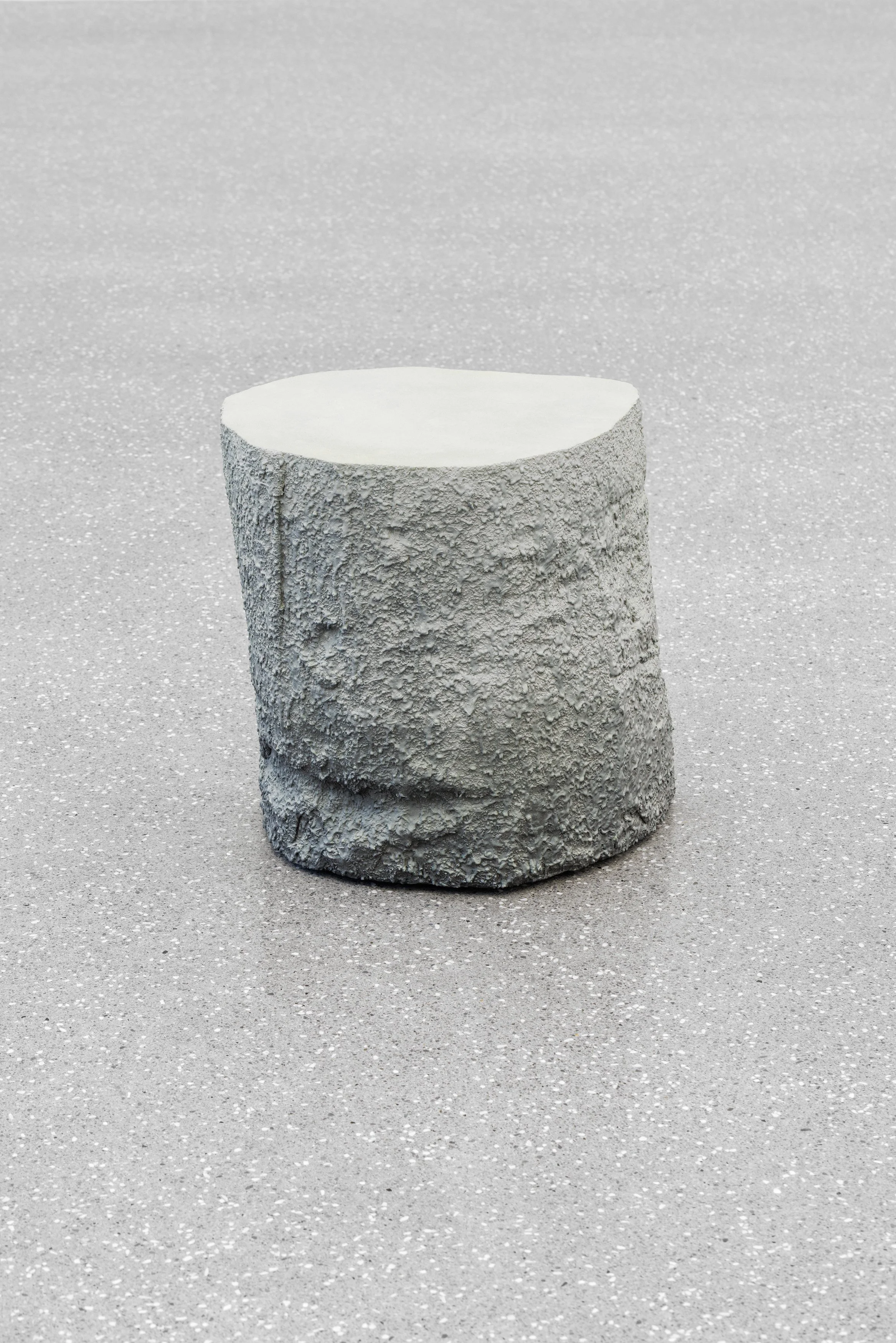
Lukas Thaler 2026 Lag (occasional base) Acrylic Resin, marble sand, fiberglass, honeycomb cardboard, wood, acrylic ink, polyurethane varnish 42 x 31 x 40 cm
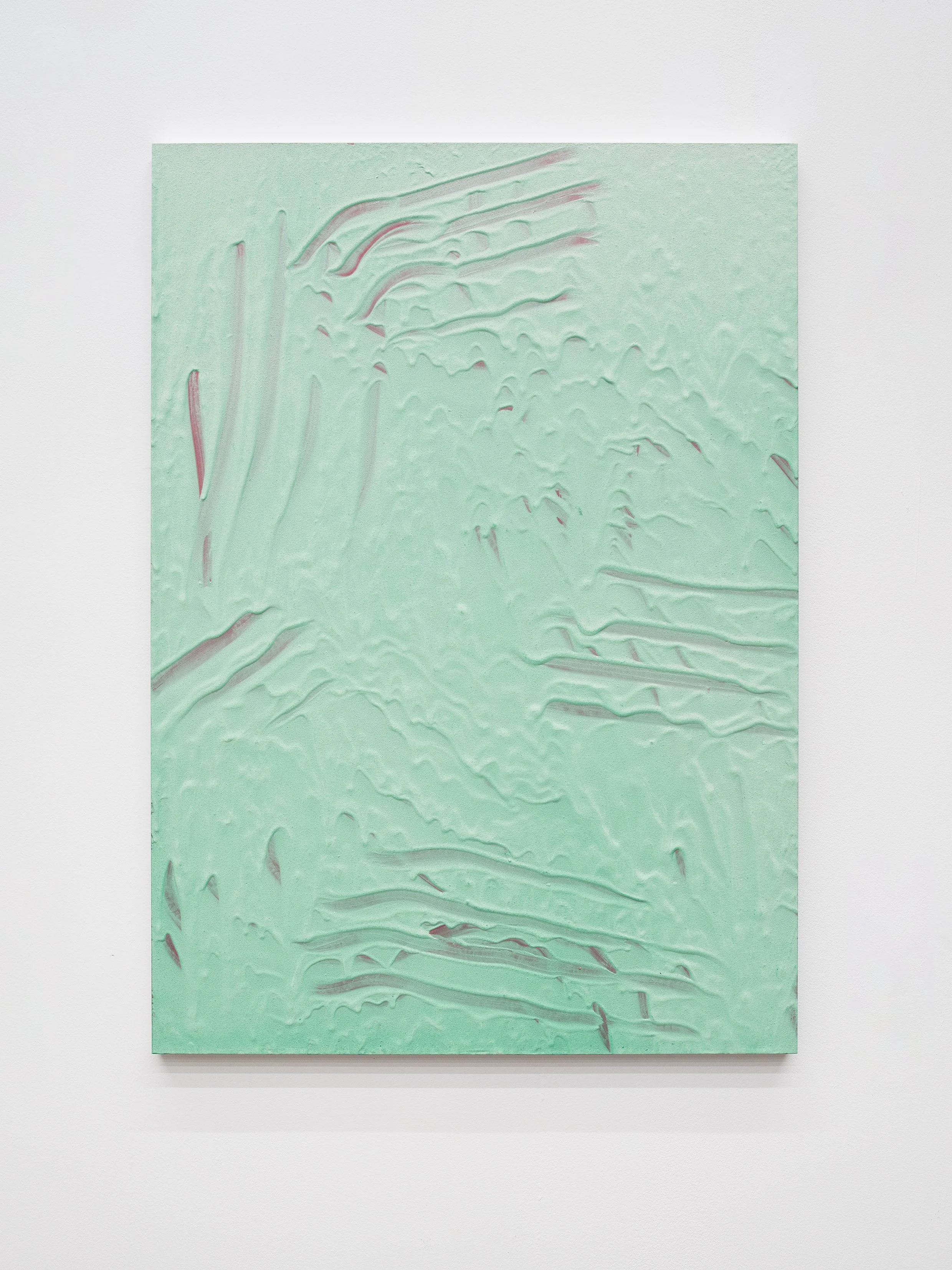
Lukas Thaler 2026 Soluble subjects (touchy and sticky green) ink, acrylic, kaolin, chalk, marble powder, pigment on aluminium 71.5 x 50 x 2 cm
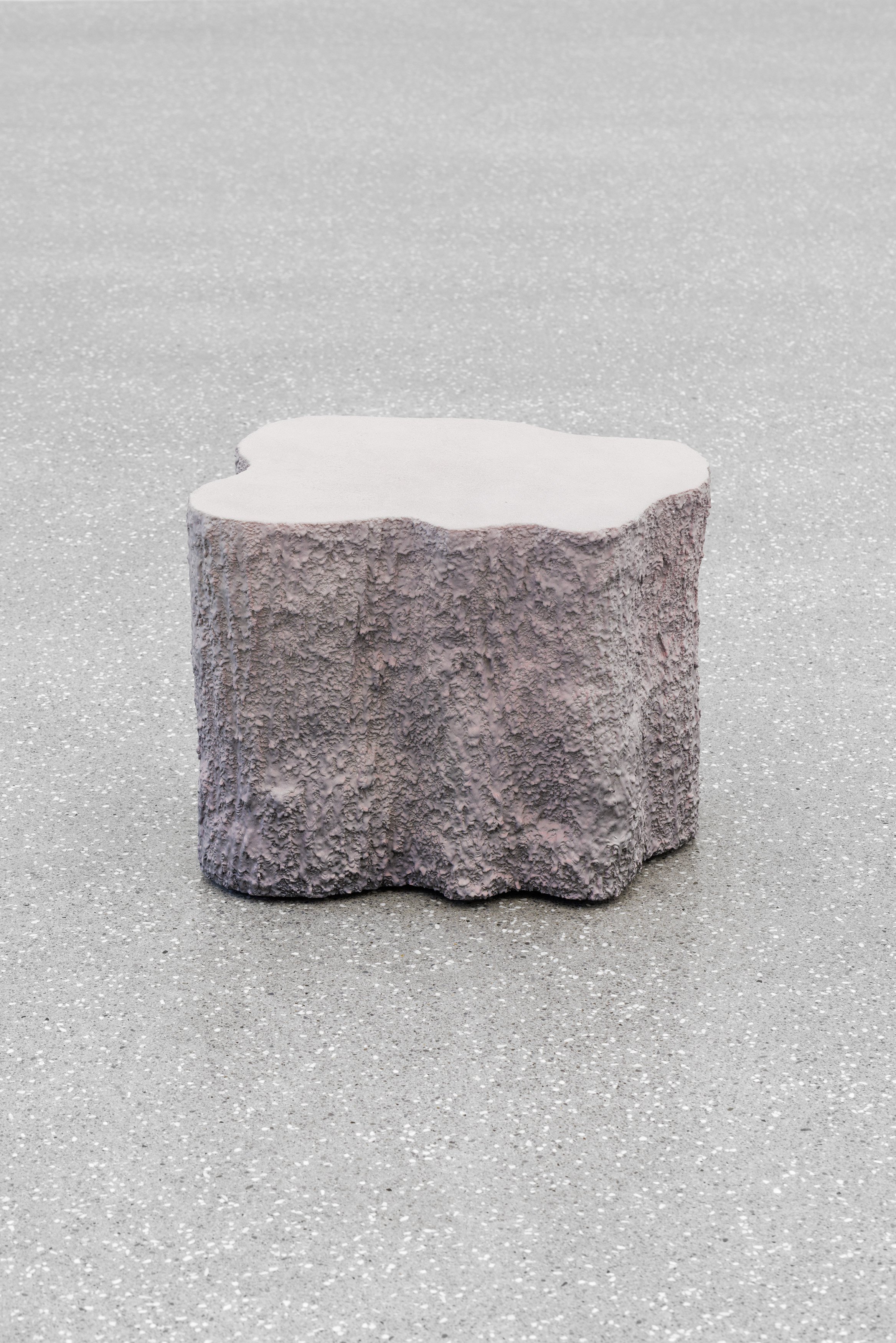
Lukas Thaler 2026 Lag (occasional base) Acrylic Resin, marble sand, fiberglass, honeycomb cardboard, wood, acrylic ink, polyurethane varnish 37 x 34 x 47 cm
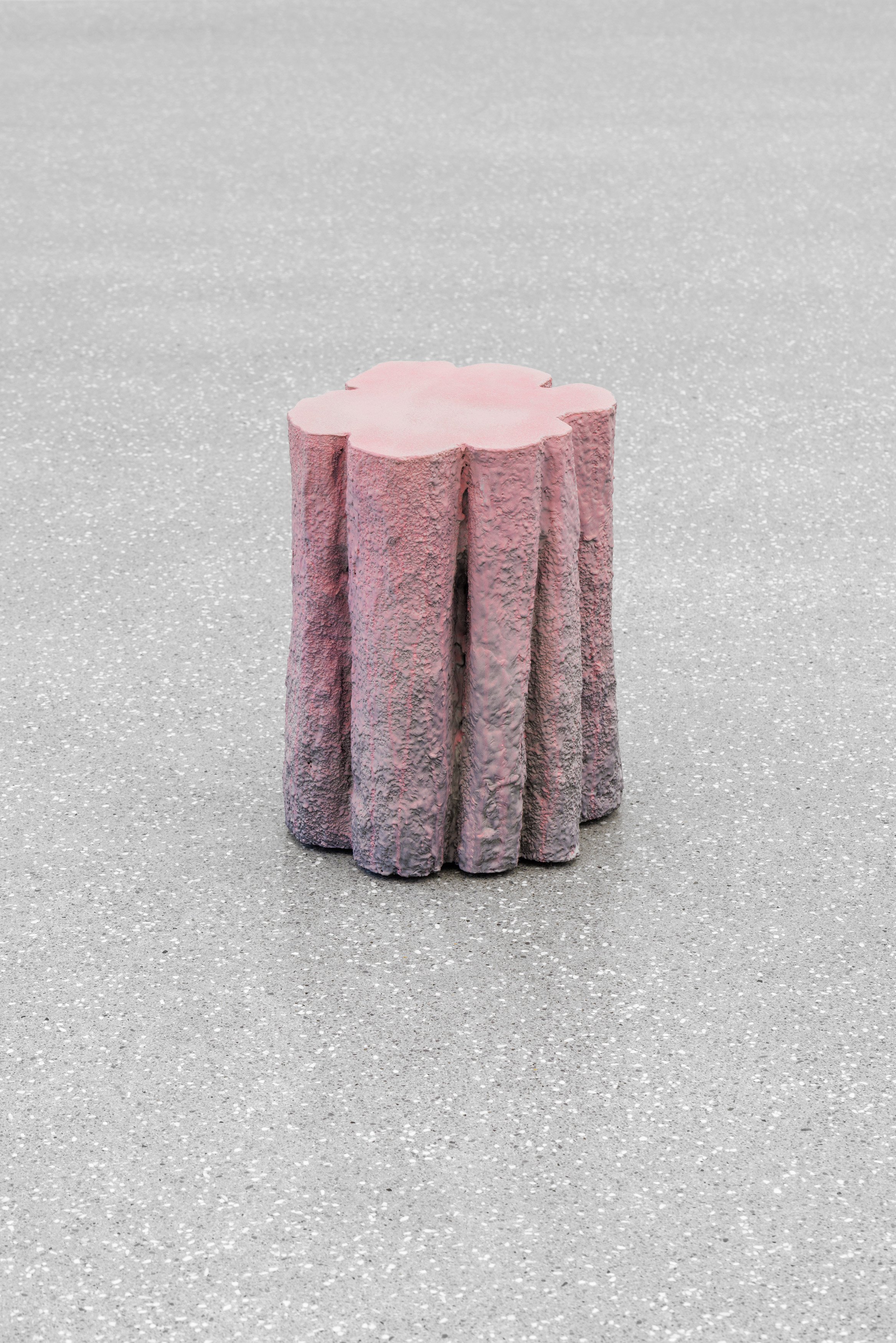
Lukas Thaler 2026 Lag (occasional sidetable) Acrylic Resin, marble sand, fiberglass, honeycomb cardboard, wood, acrylic ink, polyurethane varnish 42 x 31 x 30 cm
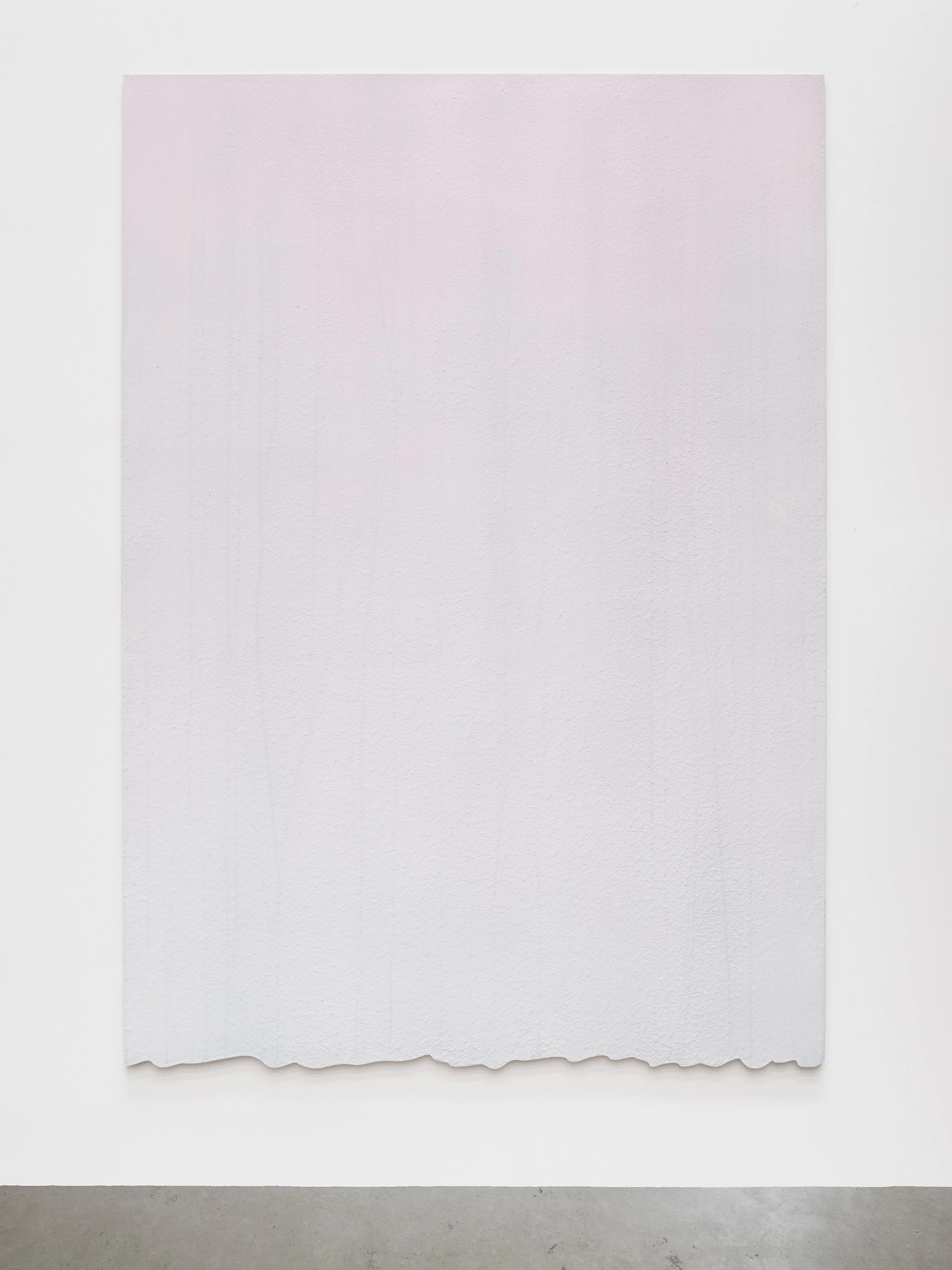
Lukas Thaler 2026 Soluble subjects (cut leaky grey and red) ink, acrylic, kaolin, chalk, marble powder, pigment on aluminium 200 x 141 x 2 cm
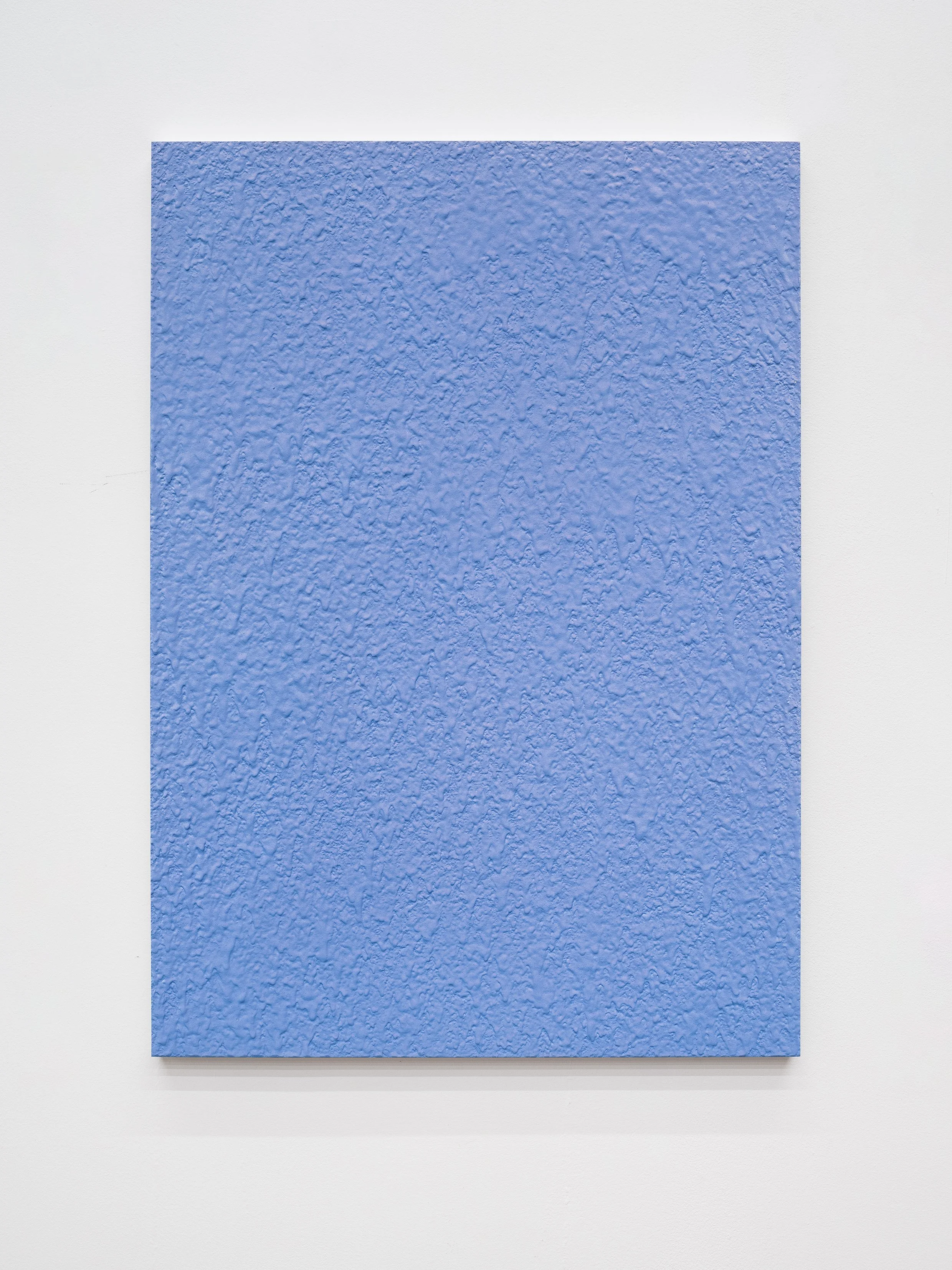
Lukas Thaler 2026 Soluble subjects (trickle blue and red) ink, acrylic, kaolin, chalk, marble powder, pigment on aluminium 71.5 x 50 x 2 cm
Exhibition Photography and Sculpture Repros by Markus Tretter
Repros by Rudolf Strobl